What Does a Sportswear Company Do for Modern Brands
A sportswear company is responsible for turning your designs and ideas into finished athletic products that customers wear, train in, and trust. This includes everything from fabric sourcing and pattern making to production, quality control, and packaging. Unlike generic clothing manufacturers, sportswear companies specialize in performance driven apparel.
Sportswear Design, Manufacturing, and Production Explained
Most sportswear companies handle technical fabrics, stretch materials, moisture wicking textiles, and performance stitching. They work with activewear specific patterns, size grading, and durability testing to ensure products perform under real conditions. This is especially important for gym wear, running apparel, and team sports kits.
Difference Between a Sportswear Company and a Clothing Manufacturer
A standard clothing manufacturer may focus on fashion pieces, while a sportswear company focuses on function, performance, and consistency. Sportswear production often requires specialized machinery, fabric knowledge, and stricter quality control standards. Choosing a sportswear focused partner reduces production errors and product returns.
Why Choosing the Right Sportswear Company Matters in 2026
The sportswear industry is evolving fast, and brands can no longer rely on trial and error when choosing suppliers. One wrong partnership can lead to missed launches, poor reviews, and financial losses.
Rising Costs and Production Challenges
In 2026, raw material prices, labor costs, and logistics continue to rise. A reliable sportswear company helps control costs through efficient production planning and transparent pricing. Poorly managed suppliers often introduce hidden fees and delays.
Quality Control and Brand Reputation Risks
Low quality sportswear leads to returns, negative reviews, and damaged brand trust. Seams breaking, fabrics fading, or poor fit are common issues when working with inexperienced manufacturers. A professional sportswear company has quality checks at every production stage.
Scaling Issues with the Wrong Sportswear Company
Many brands struggle to scale because their supplier cannot handle increased order volumes. Choosing a sportswear company with flexible capacity ensures you can grow without switching partners mid way.
Key Factors to Look for in a Sportswear Company
Not all sportswear companies offer the same level of service, quality, or reliability. These factors help you filter out risky suppliers.
Fabric Quality and Performance Materials
A good sportswear company works with performance fabrics such as polyester blends, recycled textiles, elastane, and breathable meshes. Ask about fabric testing, durability, and sourcing transparency. Fabric quality directly affects comfort and longevity.
Production Capacity and Lead Times
Production capacity determines whether the sportswear company can meet deadlines during peak seasons. Reliable partners provide clear lead times and realistic delivery schedules. Avoid suppliers that overpromise fast production.
Customization Options and Product Flexibility
Look for a sportswear company that supports custom designs, private labeling, color matching, and logo placement. Flexibility allows your brand to stand out and adapt to market trends.
Quality Control Standards and Certifications
Professional sportswear companies follow quality standards and may hold certifications related to textiles, sustainability, or ethical manufacturing. These standards reduce defects and improve consistency across batches.
How to Evaluate a Sportswear Company Before Partnering
Before committing to any long term agreement, brands should thoroughly evaluate potential partners.
Requesting Samples and Prototypes
Always request samples before placing bulk orders. Samples allow you to test fabric feel, stitching quality, sizing accuracy, and overall craftsmanship. A reliable sportswear company welcomes sample requests.
Reviewing Past Clients and Case Studies
Ask about previous clients, product categories, and production experience. A sportswear company with proven results in similar products is less likely to make costly mistakes.
Communication, Transparency, and Support
Clear communication is critical. Evaluate response times, clarity, and willingness to explain processes. A good sportswear company acts as a partner, not just a supplier.
Sportswear Company Pricing, MOQs, and Profit Margins
Pricing plays a major role in supplier selection, but it should never be the only factor.
Understanding Minimum Order Quantities
Minimum order quantities vary by sportswear company. Some cater to startups with low MOQs, while others focus on large brands. Choose a partner that matches your current stage and growth plan.
Cost Breakdown and Hidden Fees
Request a clear cost breakdown including materials, labor, packaging, and shipping. Transparent pricing helps you protect profit margins and avoid surprises.
Balancing Price vs Long Term Value
The cheapest sportswear company often becomes the most expensive in the long run due to defects, delays, and reorders. Focus on reliability, not just unit price.
Domestic vs Overseas Sportswear Company: Pros and Cons
Brands often choose between local and international sportswear companies. Each option has advantages and drawbacks.
Production Speed and Logistics
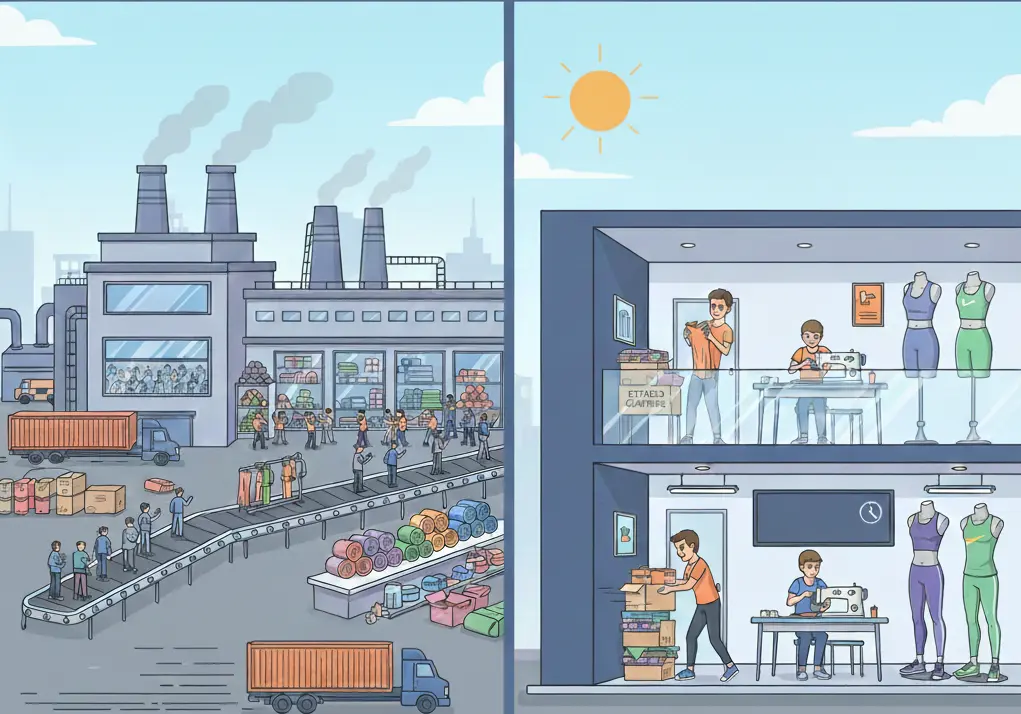
Domestic suppliers usually offer faster communication and shorter shipping times. Overseas sportswear companies may require longer lead times but can handle larger volumes.
Cost Efficiency and Scalability
Overseas sportswear companies often provide lower per unit costs and higher scalability. This can be ideal for growing brands with consistent demand.
Quality Control and Compliance
Local production allows easier quality inspections. Overseas partners require strong quality control processes and clear documentation to maintain standards.
Common Mistakes Brands Make When Choosing a Sportswear Company
Avoiding common mistakes can save brands time, money, and reputation.
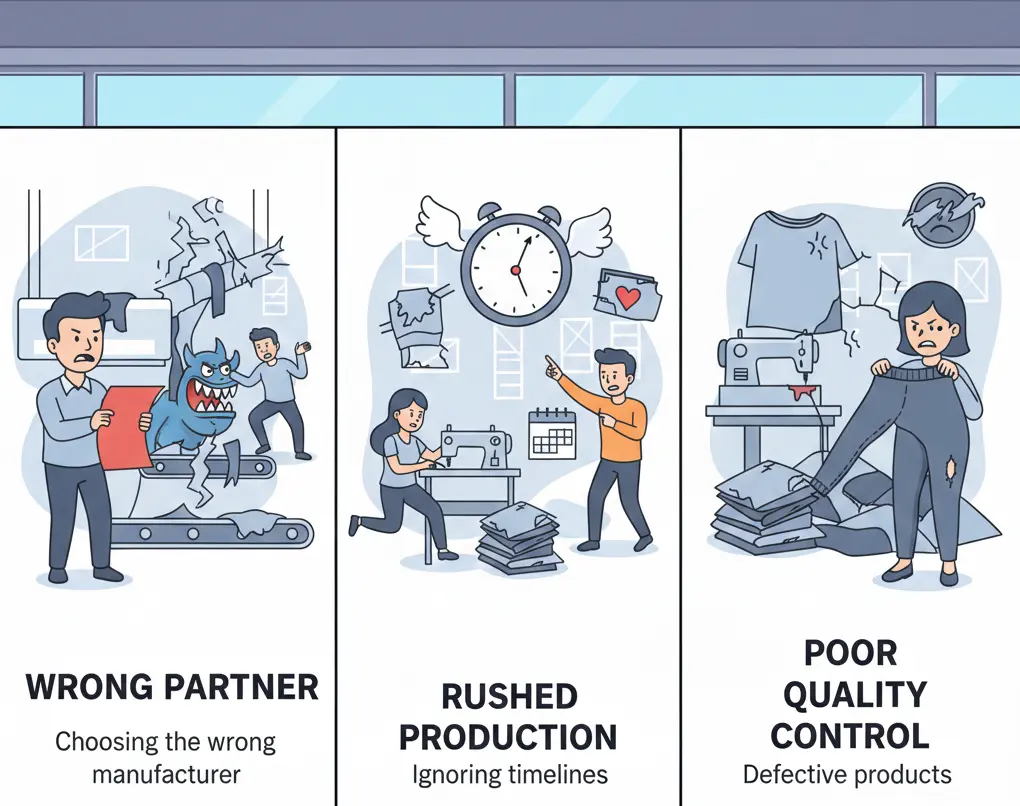
Choosing Based on Price Alone
Low pricing often means compromised quality or unstable operations. Always evaluate the full value offered by the sportswear company.
Ignoring Production Timelines
Unrealistic timelines lead to missed launches and inventory shortages. Always confirm production schedules in writing.
Overlooking Quality Testing
Skipping testing increases the risk of defects reaching customers. A serious sportswear company prioritizes testing before mass production.
How to Build a Long Term Partnership With a Sportswear Company
Strong partnerships lead to smoother production and better results over time.
Setting Clear Expectations and Contracts
Define specifications, quality standards, timelines, and payment terms clearly. Written agreements protect both parties.
Forecasting Orders and Growth Plans
Sharing growth projections helps the sportswear company plan capacity and resources. This improves reliability as your brand scales.
Maintaining Quality and Consistency
Regular feedback and performance reviews help maintain consistent quality. Treat the sportswear company as part of your extended team.
Final Checklist for Choosing the Best Sportswear Company in 2026
Before making a final decision, review this checklist carefully.
Quick Decision Checklist
- Proven experience in sportswear production
- Reliable fabric sourcing and quality control
- Clear pricing and MOQs
- Strong communication and transparency
- Ability to scale with your brand
Questions to Ask Before Signing
- What fabrics do you specialize in
- How do you handle quality control
- What are your standard lead times
- Can you support future growth
FAQs About Choosing a Sportswear Company
What is the best sportswear company for startups
The best sportswear company for startups offers low MOQs, clear communication, and flexibility in design and production.
How long does sportswear production usually take
Production timelines vary, but most sportswear companies require several weeks depending on complexity, quantity, and fabric availability.
Can a sportswear company handle small orders
Yes, many sportswear companies work with small brands, especially those focused on private label or startup friendly production.