Clothing manufacturers: Smart brands choose this over distributors
Choosing between clothing distributors and clothing manufacturers can directly impact your costs, quality control, and ability to scale. Many brands start with distributors for convenience, only to realize later how much control and margin they are giving up. Clothing manufacturers offer a different approach, one that often means better pricing, customization, and long term flexibility. In this article, we break down the real differences so you can decide which option fits your brand goals. By the end, you will know exactly which path makes sense for your business and why.
Clothing manufacturers vs clothing distributors: what is the real difference?
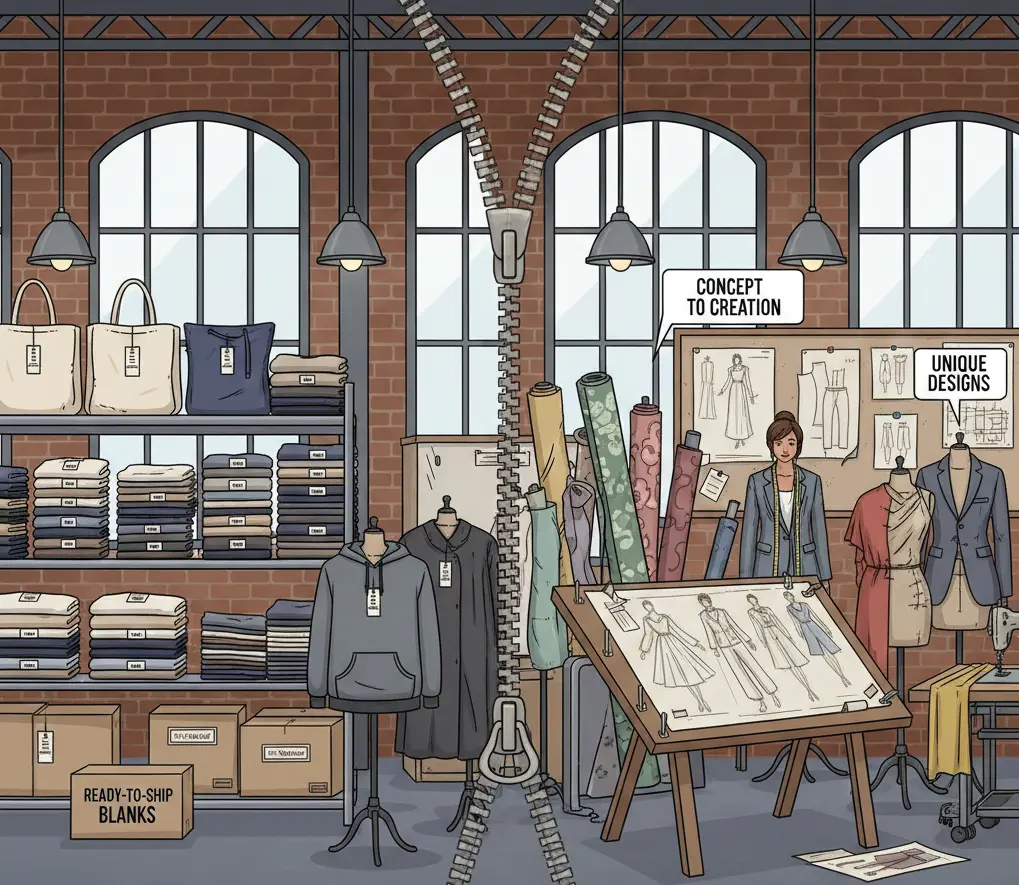
Clothing manufacturers produce garments from raw materials or fabric based on your specifications, designs, and requirements. They handle cutting, sewing, labeling, finishing, and quality control in-house or through controlled production lines. Distributors, on the other hand, act as middlemen. They purchase finished products from clothing manufacturers and resell them to brands, retailers, or resellers.
This distinction matters because it directly affects pricing, customization, lead times, and long term scalability. When you work directly with clothing manufacturers, you gain more control over how your products are made. Distributors prioritize convenience and speed but often at the expense of flexibility and margins.
How clothing manufacturers operate compared to distributors?
Clothing manufacturers operate on a production-based model. Orders are planned, materials are sourced, samples are approved, and production runs are scheduled. This allows brands to customize fabrics, fits, colors, branding, and packaging.
Distributors operate on inventory-based models, offering pre-made garments with limited customization options.
Working with clothing manufacturers is ideal for brands that want to build a distinct identity or need consistent quality at scale. Distributors are better suited for quick access to ready stock without production involvement.
Production process and factory capabilities.
Manufacturers manage everything from pattern making to bulk production, often offering advanced machinery, skilled labor, and compliance certifications. Distributors typically do not control production quality directly.
Customization, private label, and OEM options
Private label, OEM, and custom apparel services are exclusive advantages of clothing manufacturers. Distributors usually offer logo printing or relabeling only.
Order minimums and scalability
Manufacturers often require higher MOQs but support scaling. Distributors allow smaller orders but limit growth potential.
Pricing and margins when working with clothing manufacturers
Pricing is one of the biggest differences between clothing manufacturers and distributors. Manufacturers offer direct factory pricing, which removes distributor markups. While upfront costs may seem higher due to MOQs, the per-unit cost is significantly lower at scale.
Distributors add margins for storage, logistics, and resale, which reduces profitability for brands. Over time, working directly with clothing manufacturers leads to better margins and predictable pricing.
Cost breakdown from factory to final product
Factory costs include materials, labor, and production overhead. Distributor pricing includes additional handling, warehousing, and resale margins.
Distributor markups vs manufacturer pricing
Distributor markups can range from 20% to 100%, depending on volume and brand positioning.
Long term profitability for growing brands
Brands focused on growth benefit most from manufacturer relationships due to stable pricing and supply.
Quality control differences between clothing manufacturers and distributors
Quality control is stronger when working with clothing manufacturers because production is monitored at every stage. Brands can request fabric tests, in-line inspections, and final quality checks before shipment. Distributors usually sell finished products without offering insight into manufacturing standards.
Consistent quality is critical for brand reputation, especially for fashion, workwear, and sportswear.
Material sourcing and fabric selection
Manufacturers allow brands to choose specific fabric types, weights, and finishes.
Quality inspections and production standards
Many clothing manufacturers follow ISO, OEKO-TEX, or other international standards.
Consistency across bulk orders
Direct production control ensures repeat orders match original samples.
Speed, lead times, and logistics explained
Distributors offer faster delivery because products are already in stock. Clothing manufacturers require production lead time but provide predictable schedules for bulk orders. Shipping timelines depend on location, order size, and logistics partners.
For brands planning collections in advance, manufacturer lead times are easier to manage and more reliable long term.
Manufacturing lead times vs ready stock availability
Manufacturing lead times typically range from 2 to 8 weeks depending on complexity.
Shipping, customs, and fulfillment considerations
Manufacturers often assist with export documentation and bulk shipping solutions.
When clothing manufacturers are the better choice for your brand
Clothing manufacturers are the best option for brands that want control, customization, and scalability. If you are building a long term brand rather than reselling generic products, manufacturing partnerships are essential.
Startups vs established brands
Startups benefit from manufacturers when launching private label collections, while established brands rely on them for consistency and scale.
Custom designs, sustainability, and compliance needs
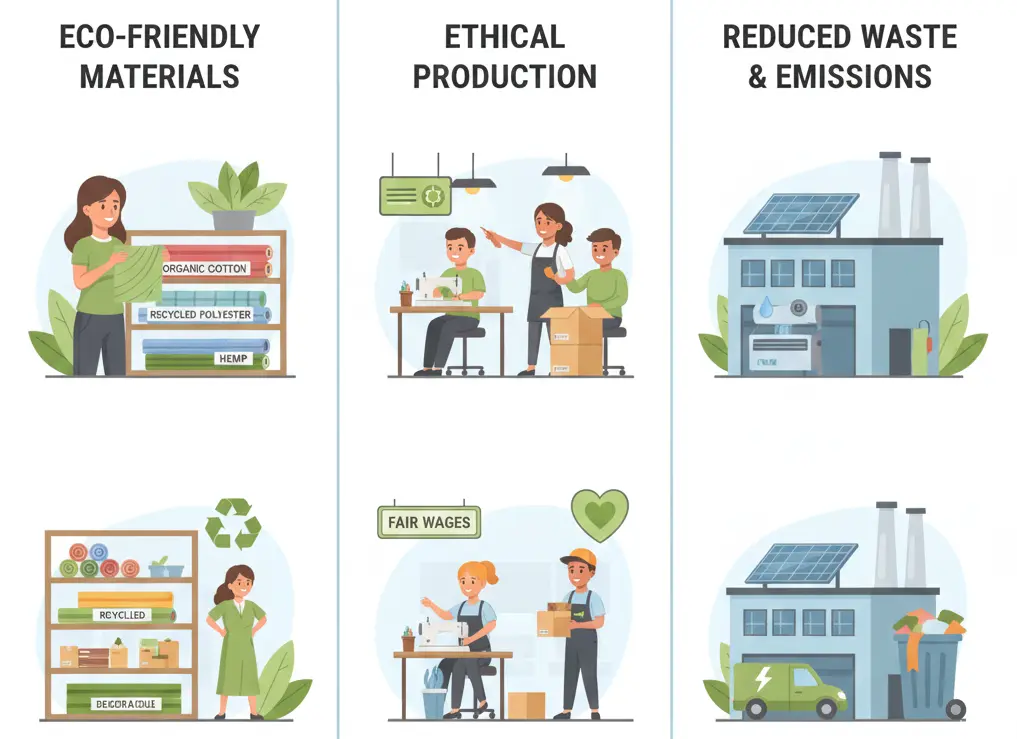
Manufacturers support eco-friendly fabrics, ethical production, and compliance requirements.
When distributors or wholesalers make more sense
Distributors are useful for testing markets, selling basic apparel, or fulfilling small orders quickly. Brands with limited budgets or no need for customization may benefit from distributor flexibility.
Small batch orders and fast market testing
Distributors allow low-risk entry without production commitments.
Limited budgets and low risk entry
They reduce upfront investment but limit brand differentiation.
Common mistakes brands make choosing clothing manufacturers
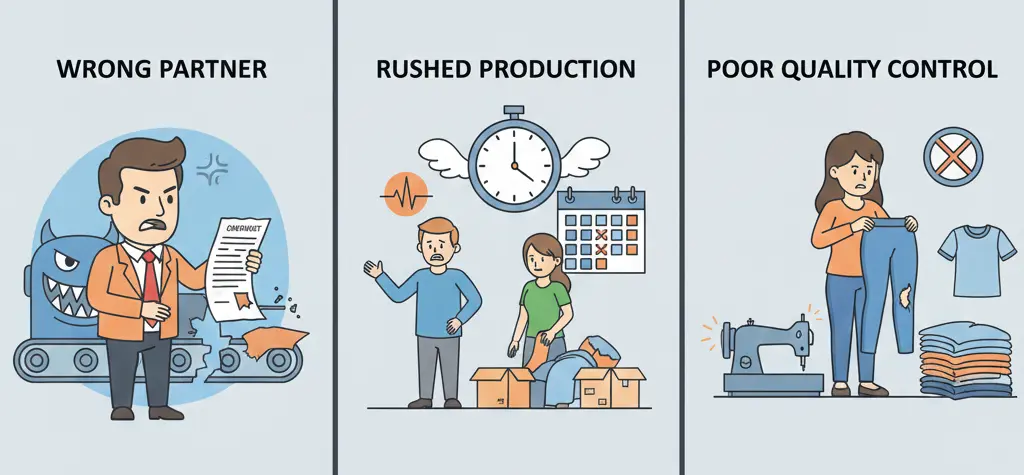
Many brands choose clothing manufacturers based only on price, ignoring quality, communication, and reliability. Others fail to verify production capacity or skip sampling stages.
Focusing only on price
Low pricing often leads to quality issues and delays.
Ignoring certifications and production capacity
Certifications indicate professionalism and compliance.
Poor communication and unclear specs
Clear tech packs and communication prevent costly mistakes.
How to choose the right clothing manufacturers for your business
Selecting the right clothing manufacturers requires research, communication, and testing. Brands should evaluate experience, factory transparency, and long term partnership potential.
Questions to ask before signing a contract
Ask about MOQs, lead times, quality checks, and capacity.
Red flags to avoid
Avoid unclear pricing, no samples, or poor responsiveness.
Samples, audits, and trial orders
Always request samples and start with small trial runs.
Clothing manufacturers vs distributors: final comparison and decision guide
Choosing between distributors and clothing manufacturers comes down to control, cost, and long term strategy. Distributors offer speed and low commitment, while clothing manufacturers provide better pricing, customization, quality control, and scalability. For brands aiming to build a strong, differentiated product line, working directly with clothing manufacturers is often the smarter and more sustainable choice.