What Is an Overseas Clothing Manufacturer
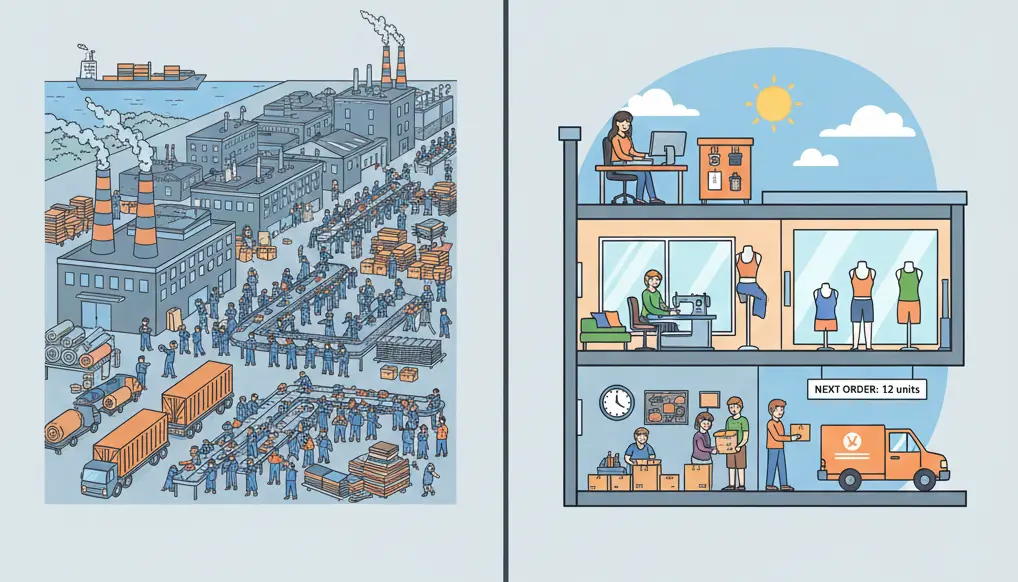
An overseas clothing manufacturer produces garments in a different country, often where labor and production costs are lower. These manufacturers typically support higher volumes and offer better per unit pricing at scale.
Overseas clothing manufacturers are popular with brands focused on growth, margin optimization, and large production runs.
Key Differences Between Domestic and Overseas Clothing Manufacturers
Communication and Production Speed
Domestic clothing manufacturers usually offer faster communication and easier coordination due to shared time zones and language. Overseas manufacturers may require more structured communication but can still perform reliably with clear processes.
Cost Structure and Pricing
Domestic production generally has higher costs due to labor and operational expenses. Overseas clothing manufacturers often provide lower per unit costs, especially for larger orders, which can significantly improve margins.
Quality Control and Oversight
Working with a domestic clothing manufacturer allows easier factory visits and inspections. Overseas production requires stronger quality control systems, clear documentation, and sometimes third party inspections.
Scalability and Production Capacity
Overseas clothing manufacturers typically have higher production capacity and are better suited for scaling. Domestic manufacturers may offer flexibility for small runs but can be limited when demand increases.
Which Clothing Manufacturer Option Is Right for Your Brand
Brands launching new products, testing the market, or prioritizing speed may benefit from a domestic clothing manufacturer. Brands planning to scale, reduce costs, and increase production volume often prefer overseas manufacturers.
Some brands use a hybrid approach, starting domestic and moving overseas as demand grows.
Common Mistakes When Choosing Between Domestic and Overseas Production
Many brands focus only on cost or speed.
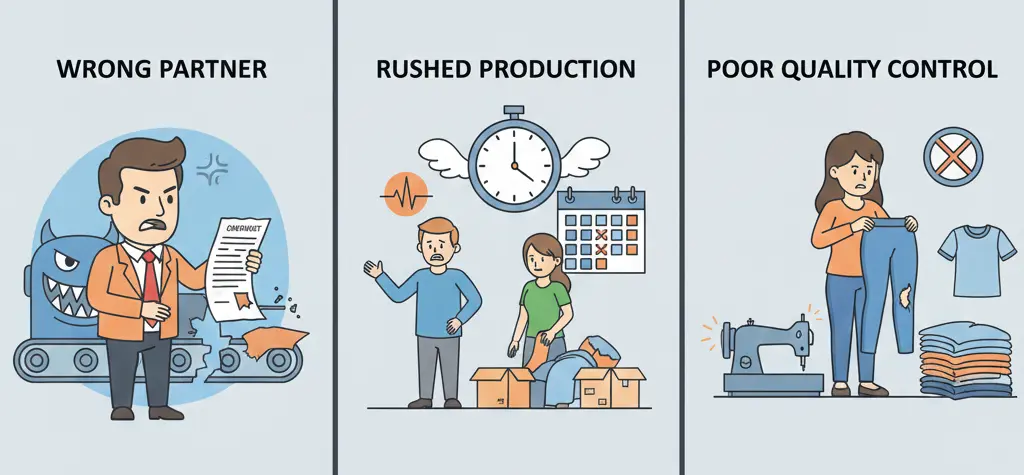
Ignoring communication processes, quality control planning, or logistics can lead to delays and product defects. Brands should evaluate the full production lifecycle before choosing a clothing manufacturer.
Final Recommendation
The best clothing manufacturer is the one that aligns with your brand’s goals, not just your budget. Evaluating domestic and overseas options carefully helps brands build reliable supply chains and avoid costly transitions later.