What Is a Clothing Manufacturer
A clothing manufacturer is a company responsible for producing garments based on a brand’s designs and specifications. This includes sourcing fabrics, cutting patterns, sewing garments, finishing, and preparing products for delivery.
Clothing manufacturers serve fashion brands, ecommerce businesses, private labels, and uniform suppliers across many categories, including casual wear, workwear, kids wear, and fashion apparel.
What a Clothing Manufacturer Actually Produces
A clothing manufacturer can produce items such as t shirts, hoodies, jackets, trousers, dresses, uniforms, and other textile based garments. Depending on the manufacturer, services may include sampling, bulk production, labeling, packaging, and shipping.
Difference Between a Clothing Manufacturer and a Garment Factory
A garment factory usually refers to the physical production facility where clothing is sewn and assembled. A clothing manufacturer often manages the full process, including sourcing, production planning, quality control, and logistics. Brands typically work with clothing manufacturers rather than dealing directly with individual factories.
Types of Clothing Manufacturers Explained
Not all clothing manufacturers operate the same way. Understanding the different types helps brands choose the right partner.
Cut and Sew Clothing Manufacturer
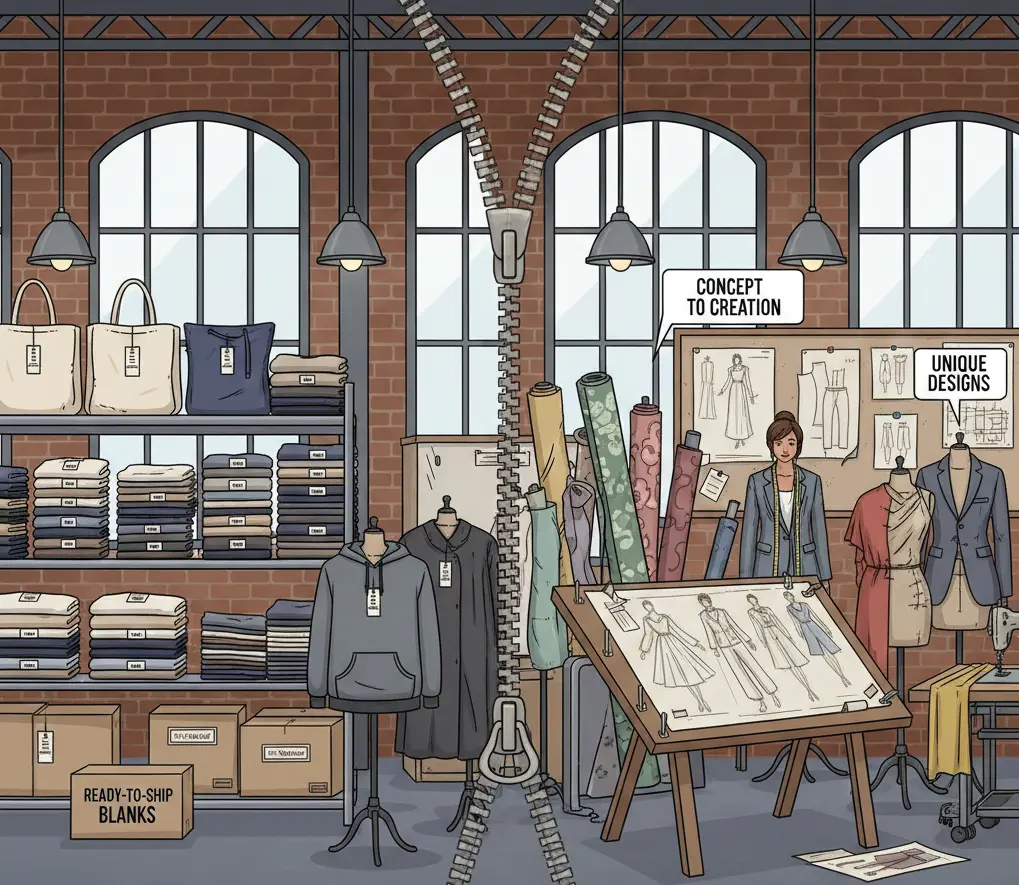
A cut and sew clothing manufacturer produces garments from raw fabric. Brands provide designs and patterns, and the manufacturer handles cutting, sewing, and finishing. This option offers maximum customization and control.
Private Label Clothing Manufacturer
Private label clothing manufacturers produce pre designed garments that brands can customize with labels, colors, or small changes. This option is faster and often has lower development costs.
Full Service Clothing Manufacturer
A full service clothing manufacturer manages the entire process, from design assistance and fabric sourcing to production and shipping. This option is ideal for brands that want a hands off approach.
OEM vs ODM Clothing Manufacturer
OEM manufacturers produce garments based on the brand’s designs, while ODM manufacturers offer existing designs that brands can modify. Choosing between them depends on how much design control a brand wants.
Why Choosing the Right Clothing Manufacturer Matters
The clothing manufacturer you choose directly impacts your brand’s success.
Product Quality and Brand Reputation
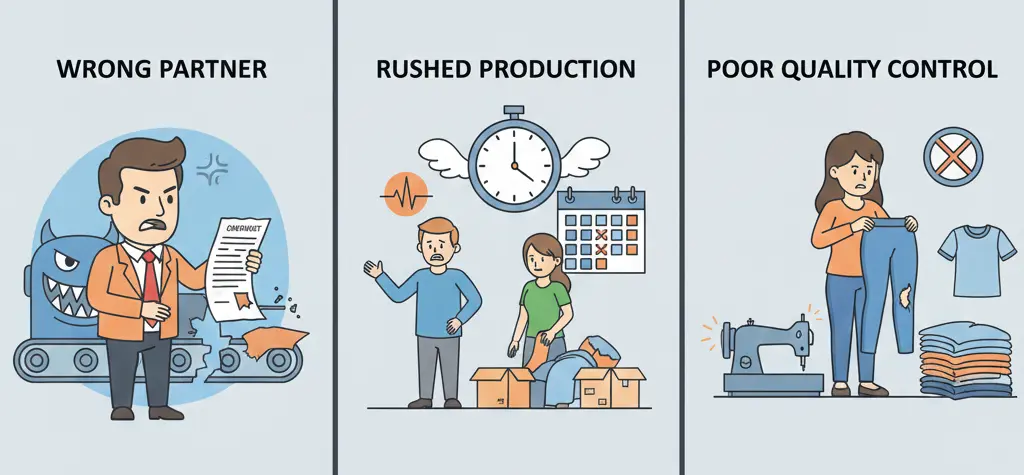
Poor quality garments lead to returns, negative reviews, and loss of customer trust. A reliable clothing manufacturer maintains consistent quality standards across all production runs.
Production Delays and Missed Launches
Unreliable manufacturers often miss deadlines, causing delayed launches and inventory shortages. In competitive markets, timing is critical.
Cost Control and Profit Margins
A transparent clothing manufacturer helps brands manage costs and protect margins. Hidden fees, inefficiencies, and rework can quickly destroy profitability.
Key Factors to Look for in a Clothing Manufacturer
Evaluating manufacturers carefully reduces risk and improves long term outcomes.
Fabric Quality and Material Sourcing
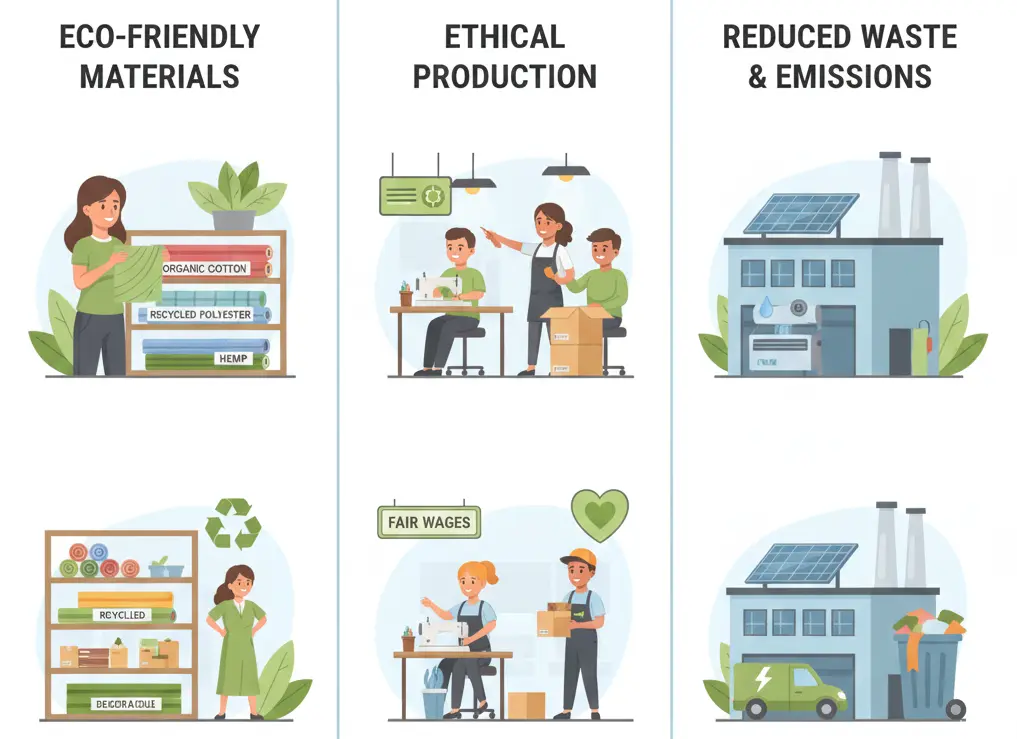
A good clothing manufacturer works with reliable fabric suppliers and offers guidance on material selection. Fabric quality affects comfort, durability, and appearance.
Production Capacity and Lead Times
Brands should confirm that the clothing manufacturer can handle current and future order volumes. Clear lead times help with planning and inventory management.
Minimum Order Quantities
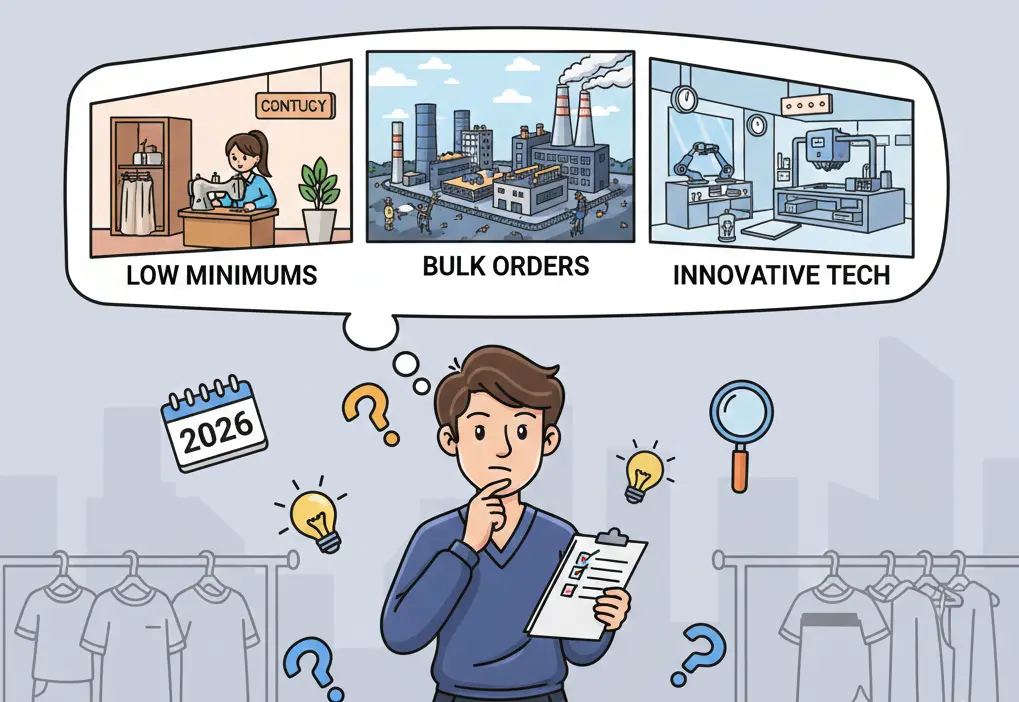
Minimum order quantities vary widely. Some clothing manufacturers work with startups and low volumes, while others focus on large scale production. Choose one that matches your growth stage.
Quality Control and Certifications
Professional clothing manufacturers follow structured quality control processes. Certifications and documented standards add an extra layer of reliability.
How to Evaluate a Clothing Manufacturer Before Partnering
Before signing any agreement, brands should conduct proper evaluation.
Requesting Samples and Prototypes
Samples allow brands to evaluate fit, fabric, stitching, and finishing. A serious clothing manufacturer encourages sampling before bulk production.
Reviewing Past Clients and Case Studies
Experience matters. Reviewing previous work helps brands assess consistency and expertise in similar product categories.
Communication and Transparency
Clear communication is essential. A reliable clothing manufacturer explains processes, pricing, and timelines clearly and responds consistently.
Clothing Manufacturer Pricing, MOQs, and Costs Explained
Understanding pricing structure prevents surprises.
Typical Clothing Manufacturer MOQs
MOQs depend on product type, fabric, and production method. Startup friendly manufacturers often offer lower MOQs, while large scale manufacturers require higher volumes.
Cost Breakdown Per Garment
Costs usually include fabric, labor, trims, labeling, and packaging. Shipping and duties may be additional. Transparent breakdowns help brands price products correctly.
Hidden Costs Brands Should Know
Hidden costs may include sample fees, pattern making, size grading, or rush production charges. These should be clarified early.
Domestic vs Overseas Clothing Manufacturer
Brands often choose between local and international production.
Speed and Communication
Domestic clothing manufacturers usually offer faster communication and easier oversight. Overseas manufacturers may require more structured communication but can still be reliable.
Cost and Scalability
Overseas clothing manufacturers often provide lower unit costs and higher scalability. This is attractive for brands planning large production runs.
Quality Control Differences
Domestic production allows easier inspections. Overseas production requires strong quality control systems and clear documentation.
Common Mistakes Brands Make When Choosing a Clothing Manufacturer
Many manufacturing issues are preventable.
Choosing Based on Price Alone
The cheapest clothing manufacturer often results in poor quality or delays. Brands should focus on value, not just price.
Skipping Samples
Skipping samples saves time initially but often leads to costly mistakes later.
Ignoring Scalability
Choosing a manufacturer that cannot scale forces brands to switch suppliers later, which disrupts operations.
How to Build a Long Term Partnership With a Clothing Manufacturer
Strong partnerships lead to better results over time.
Setting Clear Expectations
Define quality standards, timelines, and responsibilities in writing. Clear expectations reduce misunderstandings.
Forecasting Growth
Sharing growth plans helps the clothing manufacturer prepare capacity and resources.
Maintaining Consistent Quality
Regular feedback and performance reviews help maintain consistent quality as production scales.
Final Checklist for Choosing the Best Clothing Manufacturer
Quick Checklist
- Proven experience in your product category
- Reliable fabric sourcing
- Clear pricing and MOQs
- Strong communication
- Ability to scale with your brand
Questions to Ask Before Signing
- What is your typical production timeline
- How do you handle quality control
- Can you support future growth
- What happens if defects occur
Final Thoughts
Choosing the right clothing manufacturer is not just a production decision, it is a strategic business decision. Brands that invest time in research, ask the right questions, and build strong partnerships are far more likely to succeed in 2026 and beyond.