Clothing Manufacturers in Europe: Buyer's Guide
Portugal, Turkey or Albania? How the three European options UK buyers compare most often stack up on industry size, markets and trade with the UK, and how to pick the right one for your order.
Guides7 min read
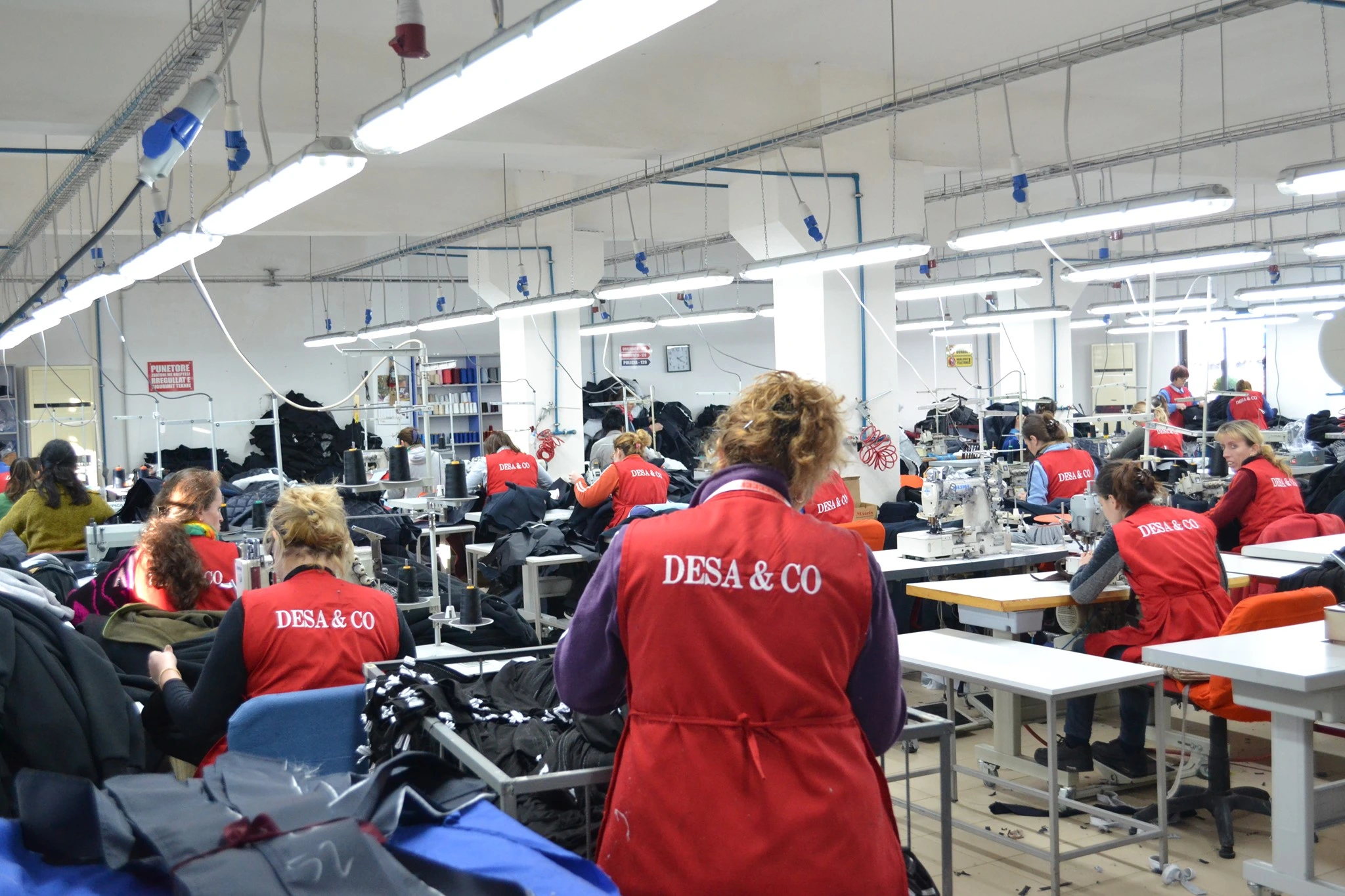
If you want your clothing made closer to home than Asia, three European countries come up again and again: Portugal, Turkey and Albania. All three have long garment-making traditions and sell to UK and EU buyers, but they suit different orders. Portugal is the premium choice inside the EU, Turkey has the scale for large programmes, and Albania is worth a look for smaller branded runs with short lead times.
Portugal and Turkey are the two countries UK buyers search for most when they look for a clothing manufacturer abroad, with about 390 searches a month each in our keyword research, and Albania is the third option we are often compared with. This guide compares the three with the latest official export figures, then gives you the questions to ask any factory before you order. One disclosure: we are a clothing manufacturer in Albania, so we have a stake in this comparison. That is why every figure below links to its source.
Key takeaways
Portugal suits premium, fashion-led collections that need production inside the EU.
Turkey suits large, repeat programmes: it exported $16.8 billion of clothing in 2025 and is one of the EU's three largest clothing suppliers.
Albania suits smaller branded runs, workwear and uniforms, with factories used to producing for Italian and other European brands.
Whatever the country, compare factories on minimum order per style, lead time including sampling, in-house decoration and certifications.
Why buyers are moving clothing production to Europe
Sourcing in Europe trades the lowest unit prices for speed, smaller minimums and easier oversight. Goods typically travel by road in days rather than by sea in weeks, you can visit the factory on a short flight, and problems surface while there is still time to fix them.
UK buyers already do this at scale. Turkey shipped $1.4 billion of clothing to the United Kingdom in 2025, making the UK its fourth-largest market (İHKİB annual apparel export report 2025). Portugal sold €252 million of textiles and clothing to the UK in the first nine months of 2025 alone (Portugal Têxtil, citing INE data, November 2025).
Portugal: premium quality inside the EU
Portugal is the best known of the three for quality. Its textile and clothing exports reached €4.15 billion between January and September 2025, almost unchanged on a year earlier, with Spain, France and Germany as its biggest customers (Portugal Têxtil, citing INE data).
Best for: premium basics and fashion collections, brands that want production inside the EU, and products where the fabric and the garment can be sourced in the same region.
Watch out for: premium positioning usually comes with premium prices, and the best-known factories plan capacity well ahead, so ask early before peak seasons.
Turkey: scale for large programmes
Turkey is the volume player. Its clothing exports were $16.8 billion in 2025, down 6.4% on 2024, and in Eurostat's 2024 figures it was the EU's third-largest clothing supplier after China and Bangladesh. Knitted garments such as T-shirts, sweatshirts and jersey made up 54% of those exports (İHKİB annual apparel export report 2025).
Best for: large, repeat orders and knitted basics, where big integrated groups can handle fabric and garment under one roof.
Watch out for: Turkish clothing exports have fallen every year since 2022, from $21.2 billion to $16.8 billion, so check a factory's order book and stability before committing a whole season to it. Turkey is in a customs union with the EU but is not a member.
Albania: smaller runs close to Italy
Albania is the smallest of the three, but clothing is central to its economy: textiles and footwear were its largest export group in 2024, at 28.7% of all exports (INSTAT data, via Crédit Agricole's country overview). In the same year 72% of Albania's exports went to EU countries, and Italy was its main trading partner (INSTAT, International Trade of Goods 2024).
Much of that work is façon, or cut, make and trim: Albanian factories sew garments from the materials European clients send them and export the finished pieces, mainly to Italy, Germany, the Netherlands and France (Invest in Albania). The result is a workforce used to European quality standards and to producing other companies' designs.
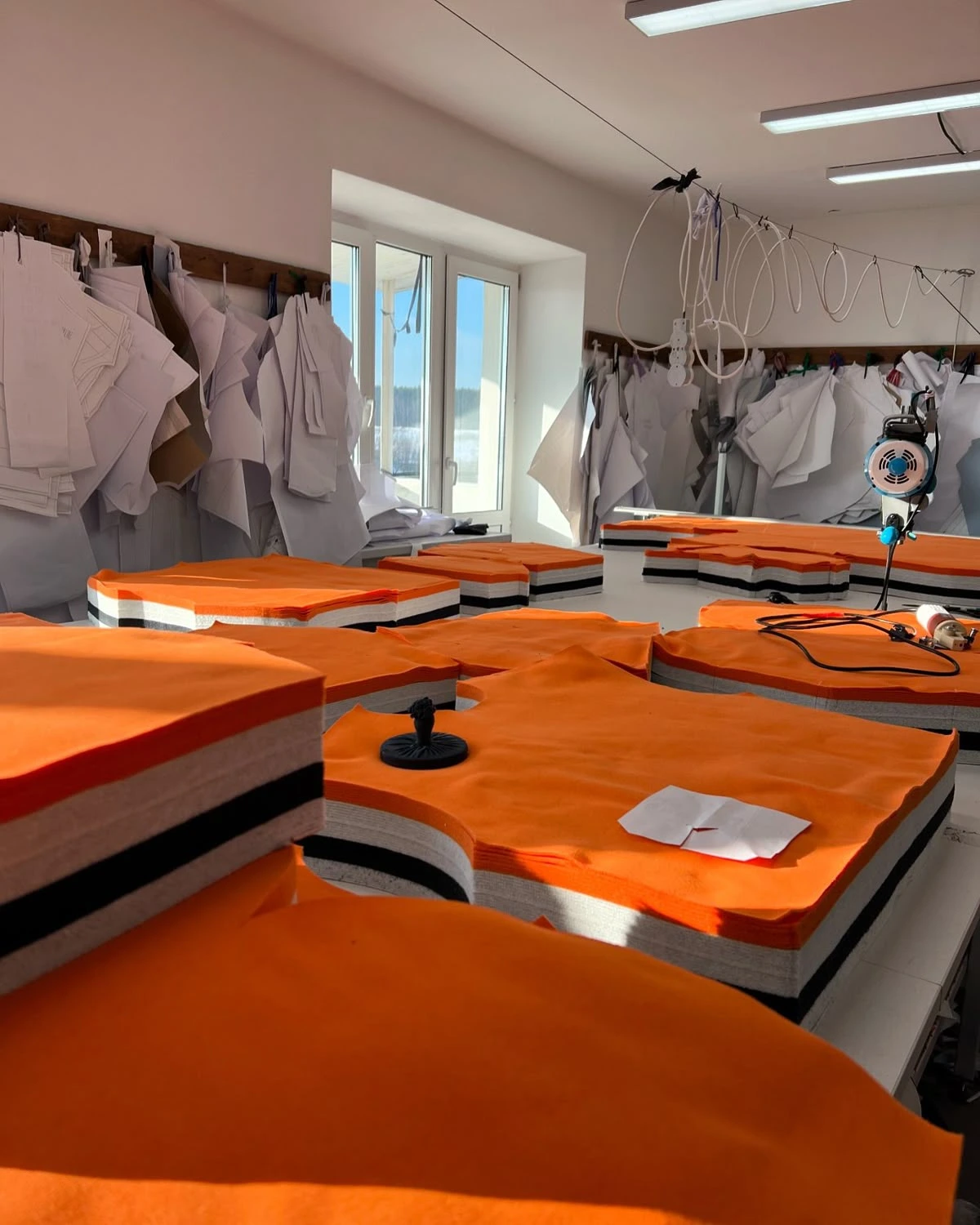
Best for: branded workwear, uniforms and logo clothing in smaller runs, and buyers who want short production times without sending their own fabric.
Watch out for: the industry is smaller, so check that a factory can source the fabric you want. Albania is an EU candidate country, not a member, so goods cross a customs border into the EU or the UK, under trade agreements with both.
Portugal, Turkey and Albania compared
Portugal | Turkey | Albania | |
|---|---|---|---|
Latest exports | €4.15bn textiles and clothing, Jan to Sep 2025 | $16.8bn clothing, 2025 | Textiles and footwear: 28.7% of all exports, 2024 |
Biggest markets | Spain, France, Germany | Germany, Netherlands, Spain, UK | Italy; 72% of exports go to the EU |
Relationship with the EU | Member | Customs union | Candidate, with a trade agreement |
Trade with the UK | UK–EU trade agreement | UK–Turkey trade agreement | UK–Albania trade agreement |
Best for | Premium and fashion collections | Large, repeat programmes | Smaller branded runs, workwear, uniforms |
Sources: Portugal Têxtil (INE data), İHKİB annual apparel export report 2025, INSTAT and Crédit Agricole, all linked above.
How to choose the right country for your order
Start from the order, not the country. These four questions narrow it down quickly:
- How many pieces per style? For thousands of pieces per style, Turkey's scale usually wins on price. For runs of 50 to a few hundred, look at Portuguese and Albanian factories that publish low minimums.
- Does it have to be made in the EU? Then Portugal. Turkey and Albania are outside the EU.
- Is it branded clothing rather than a fashion collection? Workwear, uniforms and logo clothing need a factory that embroiders and prints in house. That matters more than the country.
- Is the fabric special? For technical fabrics or premium knits, choose the factory closest to the mill that makes them, wherever it is.
Questions to ask any European clothing manufacturer
Whichever country you pick, these questions separate a reliable factory from a risky one:
- What is the minimum order per style and per colour? A low headline minimum can hide a higher minimum per colour.
- How long do sampling and production take? Ask for the time from approved sample to dispatch, not just the production time.
- Is decoration done in house? Embroidery or printing done by a subcontractor adds days and another place for mistakes.
- Which certifications do you hold? ISO 9001 covers quality management, and OEKO-TEX® Standard 100 means the fabric has been tested for harmful substances.
- Who handles shipping and customs? Agree the delivery terms (the Incoterms) and who pays duty before you order.
- Can I approve a sample before you cut the full order? A good factory expects you to ask.
Where Desa & Co fits
We are a clothing manufacturer in Tirana, so here is how we answer those questions. Our minimum is 50 to 100 pieces per product, production takes 2 weeks from your order for the minimum quantity, and we embroider and DTF print logos in our own workshop. Production is certified to ISO 9001, ISO 14001 and ISO 45001, our cotton is OEKO-TEX® Standard 100 certified, and we deliver to the United Kingdom, to Italy and across Albania.
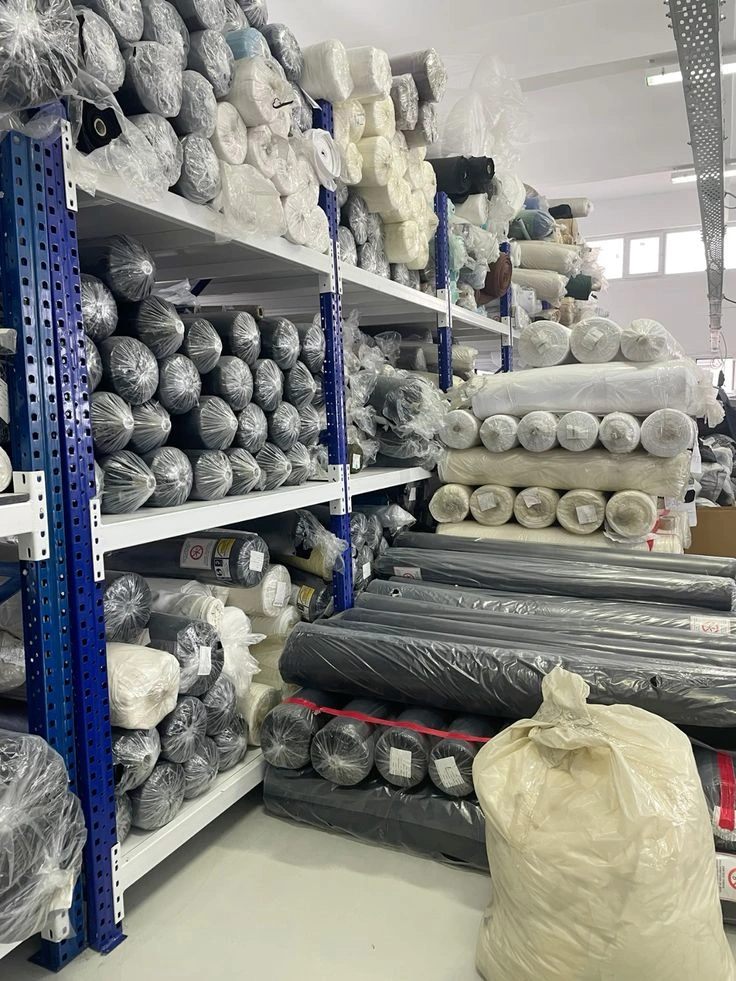
We make branded clothing: custom workwear, custom hoodies, embroidered polo shirts and bulk custom T-shirts, as well as hospitality uniforms, custom scrubs and football kits. You can read more about our factory.
Planning a production run? Send us the product, the quantity and your logo and we will reply with a quote and a delivery date.
Frequently asked questions
Which European country is best for small clothing orders?
Portugal and Albania both have factories that accept small runs, while Turkey's strength is volume. Compare minimums per style and per colour, not per order, because many factories apply them that way.
Is Albania in the EU?
No. Albania is an EU candidate country. It trades with the EU under an association agreement and with the UK under the UK–Albania Partnership, Trade and Cooperation Agreement, which gives preferential tariffs to goods that meet its rules of origin.
Will I pay import duty on clothes made in Albania or Turkey?
It depends on the garment and on proof of origin. The UK's trade agreements with Albania, Turkey and the EU can reduce or remove duty on goods that meet the rules of origin. Check the commodity code with your customs broker before you order.
How long does clothing production take in Europe?
It depends on the factory and the order, and sampling adds time before production starts. At Desa & Co, production takes 2 weeks from the order for the minimum quantity.
The short answer
There is no single best country. Choose Portugal for premium production inside the EU, Turkey for volume, and Albania for smaller branded runs made quickly, then vet the individual factory with the questions above. If Albania fits your order, ask us for a quote.
Need clothing made for your team?
Send us the product, the quantity and your logo, and we will reply with a quote and a delivery date.
Request a quote