How to Start a Clothing Brand: Step by Step
From the first idea to stock you can sell: how to plan a clothing brand, brief a manufacturer, approve samples and order your first production run, written from the factory's side.
Guides8 min read
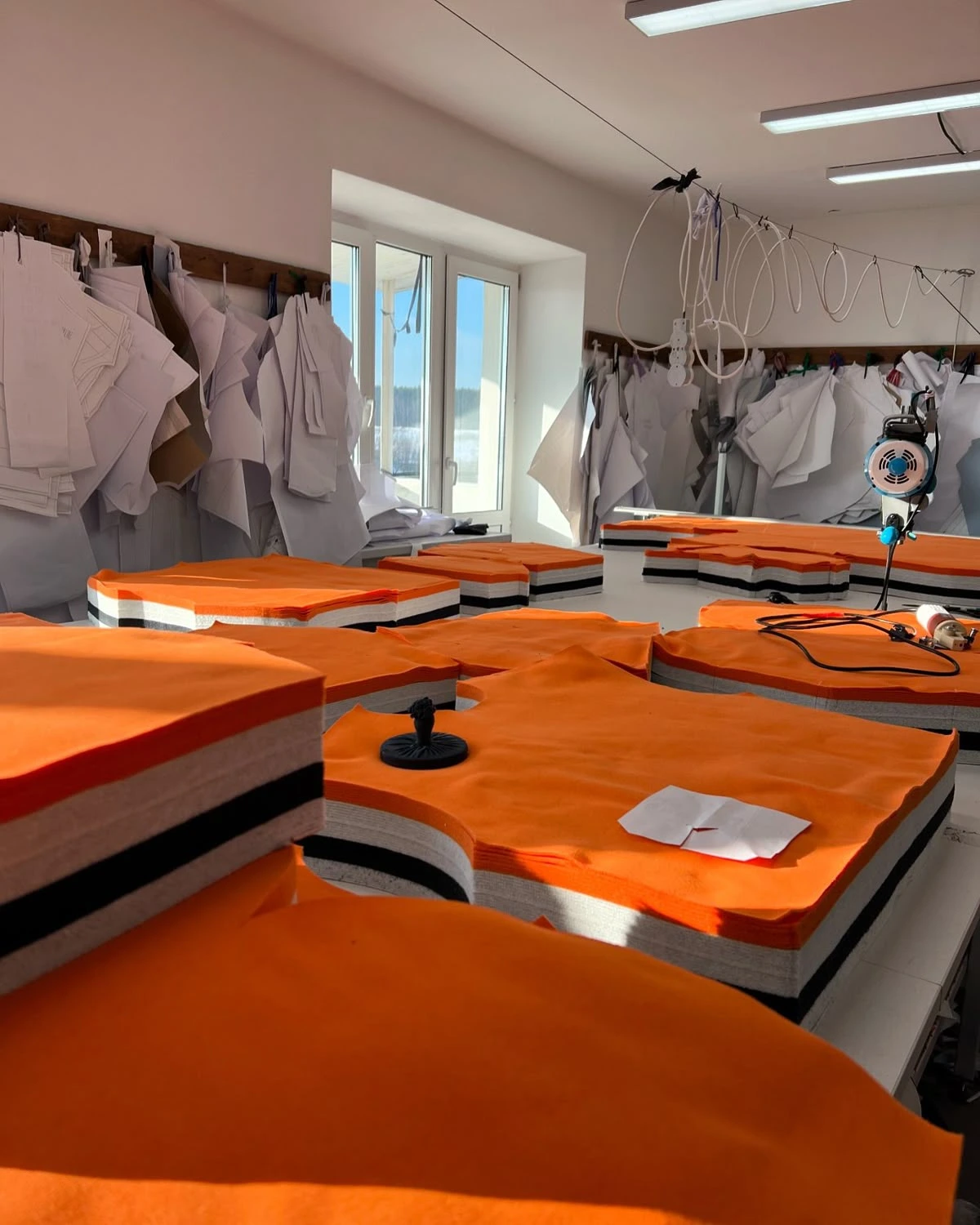
Most guides to starting a clothing brand are written by print-on-demand platforms or business coaches. This one is written from the other side of the table: by a clothing manufacturer that turns founders' designs into finished stock. It covers the steps that decide whether your first production run goes well, from defining the product to receiving boxes of labelled, packed garments.
If you only want to test a design with no stock, print-on-demand is the cheaper start. If you want your own fabric, fit and labels, and a margin that print-on-demand can't give you, you need a manufacturer. That is the route this guide follows.
Key takeaways
Start narrow: one customer, one or two products, done properly.
Turn the idea into a tech pack before you ask for quotes. Factories price what is on paper.
Budget for samples and the minimum order: at Desa & Co that is 100 to 150 pieces per product.
Approve a sample before anything is cut, and agree labels, packing and delivery terms up front.
1. Decide what you sell and to whom
A brand starts with a customer, not a logo. Write one sentence that names who buys from you and why they would choose you over what they already wear. Then pick the one or two products that prove the idea: a heavyweight hoodie, a boxy T-shirt, a polo shirt. A small, well-made range teaches you far more than a large one that stretches the budget.
- Who is the customer? Age, where they shop, what they pay today.
- What is the hero product? The one piece people will recognise the brand by.
- What makes it different? Fit, fabric weight, colour, detail or story.
- Where will you sell? Your own website, marketplaces, pop-ups or wholesale to shops.
2. Turn the idea into designs and a tech pack
A factory can only make what it can measure. Before you ask anyone for a price, turn each design into a tech pack: the document that tells a manufacturer exactly what to make. It does not have to be complicated, but it has to be complete.
- Flat sketches of the front and back, with every seam and detail marked.
- Measurements for one base size and how they change across the other sizes.
- Fabric and trims: composition, weight in g/m², colour, zips, cords and labels.
- Artwork: logo files (vector PDF, AI or SVG), size and position for each print or embroidery.
- Quantities: how many pieces per size and per colour.
If you have no tech pack yet, a good manufacturer can work from a reference garment and a photo, and its pattern makers can draw the sizes for you. It takes longer, so allow for it.
3. Set a budget and understand minimum orders
Every factory sets a minimum order quantity (MOQ): the fewest pieces it will make of one product. Pattern making, sampling and setting up machines cost much the same whether you order 100 pieces or 1,000, so small runs cost more per piece. Ask how the minimum applies: per style, per colour or per size. A low headline minimum can hide a higher one per colour.
Your first budget should cover more than the production run:
Cost | What it covers | When you pay it |
|---|---|---|
Samples | One or more trial garments to check fit, fabric and print | Before production |
Production run | The minimum order for each product | At order, often with a deposit |
Labels and packing | Woven or printed neck labels, care labels, swing tags, polybags | With production |
Shipping and duty | Transport to you and any import duty and VAT | On delivery |
Launch | Photos, website, first marketing | Before and after delivery |
At Desa & Co the minimum is 100 to 150 pieces per product, depending on the garment. That is low enough for a first collection without tying all your cash up in stock.
4. Find and vet a manufacturer
The right factory depends on the order. For thousands of pieces per style, large factories in Turkey or Asia usually win on price. For a first run of 100 to a few hundred pieces, look for European factories that publish low minimums and make the garments themselves. Our guide to clothing manufacturers in Europe compares Portugal, Turkey and Albania.
Before you commit, ask every factory the same questions:
- What is the minimum per style, per colour and per size?
- How long do sampling and production take, from approved sample to dispatch?
- Do you source the fabric, or do I supply it?
- Are printing and embroidery done in house?
- Can you sew in my own labels and pack to my instructions?
- Which certifications do you hold, and who handles shipping and customs?
5. Choose fabric and decoration
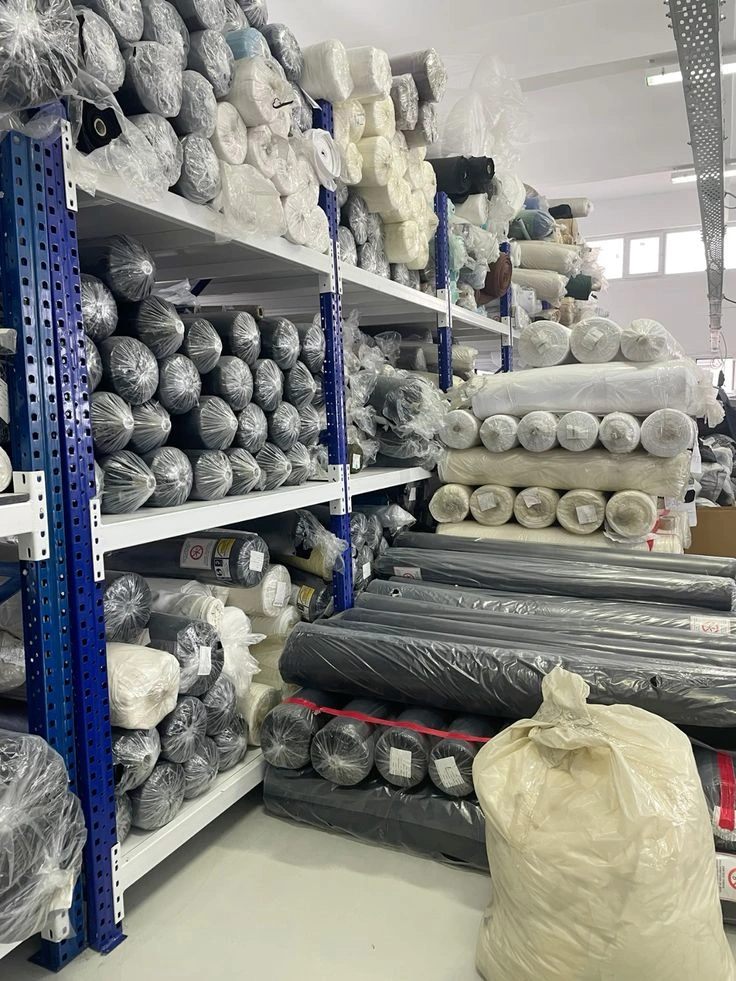
Fabric decides how the garment feels, hangs and lasts, so choose it before you finalise the price. Weight is measured in grams per square metre (g/m²). Our T-shirts are 160 to 200 g/m², polo shirts 200 to 220 g/m² and hoodies 280 to 340 g/m². Heavier is not automatically better; it depends on the look and the season.
Then choose how the logo goes on. Embroidery suits small chest logos and a premium finish; DTF printing suits large designs and artwork with many colours; sublimation suits all-over prints on polyester sportswear. Many brands combine a small embroidered logo on the chest with a larger print on the back.
6. Approve samples before production
Never let a factory cut a full run from an unapproved design. A sample shows you the fit, the fabric, the colour and the print in real life, and it is far cheaper to fix a sleeve length now than on 500 pieces. Wear it, wash it, and check it against your tech pack. Ask for changes until it is right, then approve it in writing: the approved sample becomes the standard the whole run is checked against.
7. Plan labels, packaging and delivery
Your own labels are what make the clothing yours. Plan them with the production run, not after it.
- Neck label: your brand name, woven or printed.
- Composition and care label: in the UK, a textile product must show its fibre content (GOV.UK, textile labelling); care instructions are expected by customers.
- Swing tags and packing: price tags, barcodes, folding and polybags if you sell online.
Agree the delivery terms before you order: who books the transport, who pays import duty and VAT, and to which address. Goods from Albania enter the UK under the UK–Albania Partnership, Trade and Cooperation Agreement, which can reduce duty on goods that meet its rules of origin. Where your fabric comes from can affect whether the garments qualify, so check the commodity code and origin with your customs broker.
8. A real production run for a UK brand
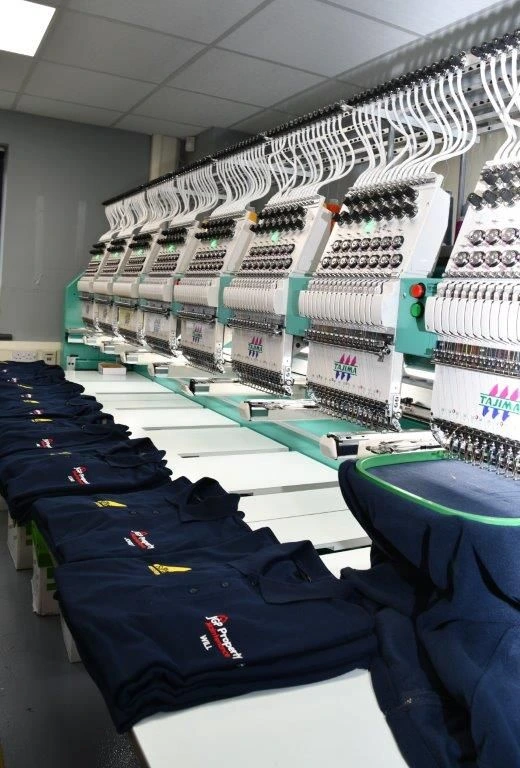
One of our clients sells its own clothing range in the UK. For one order we made 1,000 hoodies, 2,000 T-shirts and 500 polo shirts to the brand's designs, and sourced the fabric for them through our network of fabric suppliers in Turkey, so the brand did not have to find and ship fabric itself. Everything was made in our factory in Tirana.
Most first orders are much smaller than that, and that is fine: the process is the same at 100 pieces as at 3,500. What changes is how much you learn before the next run.
9. Launch, sell and reorder
When the stock arrives, photograph it on real people, list it, and tell your first customers. Watch which sizes and colours sell first: that is the data for your next order. Reorders are faster than the first run because the patterns, labels and approved sample already exist, so plan them before you sell out.
How Desa & Co works with new brands
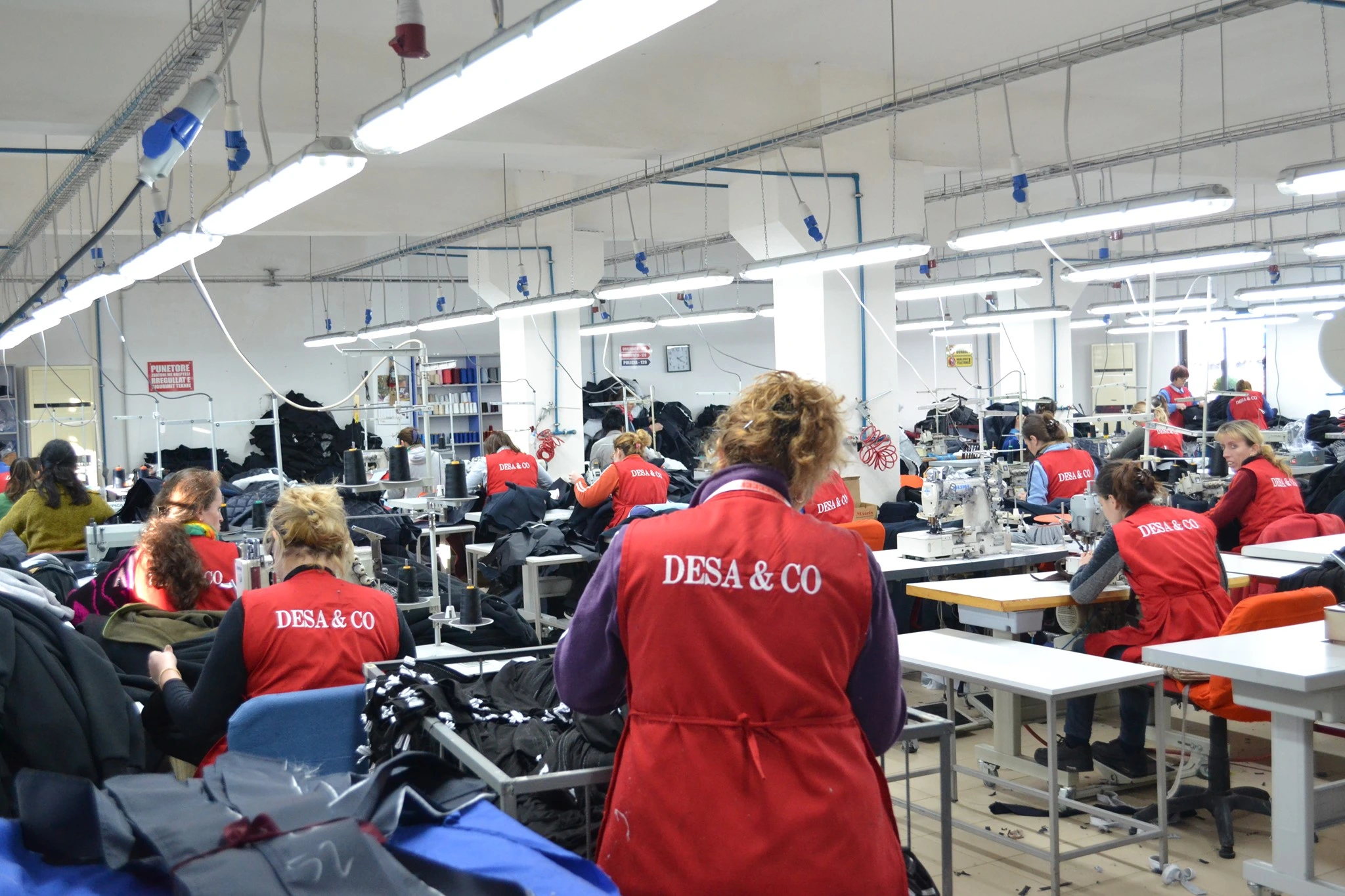
We are a clothing manufacturer in Tirana, Albania. We make T-shirts, hoodies, polo shirts, joggers and jackets to your design, with your own labels, from 100 to 150 pieces per product. Production of the minimum quantity takes 2 weeks after sample approval. Embroidery and DTF printing are done in house, production is certified to ISO 9001, ISO 14001 and ISO 45001, our cotton is OEKO-TEX® Standard 100 certified, and we deliver to the United Kingdom, to Italy and across Albania.
See the garments we make most for brands: custom hoodies, bulk custom T-shirts and embroidered polo shirts. Ready to plan a first run? Send us your designs and quantities and we will reply with a quote and a timeline.
Frequently asked questions
How much money do I need to start a clothing brand?
It depends on the product and the quantity, so there is no single figure. List five costs: samples, the minimum order for each product, labels and packing, shipping and duty, and launch. Then plan the timeline: sampling first, your approval, then 2 weeks of production for the minimum quantity at Desa & Co. A first range of one or two products keeps the total low; ask manufacturers for quotes at your real quantities before you set a budget.
Can I start a clothing brand with a small order?
Yes, if you work with a manufacturer that accepts small runs. Our minimum is 100 to 150 pieces per product, depending on the garment.
Do I need a tech pack?
It is the clearest way to get accurate quotes and the right result. If you don't have one, a manufacturer can work from a reference garment and photos, but expect more back-and-forth and a longer sampling stage.
Print-on-demand or manufacturer?
Print-on-demand needs no stock and suits testing designs. A manufacturer costs more up front but gives you your own fabric, fit and labels, and a much better margin per piece once the brand sells.
Need clothing made for your team?
Send us the product, the quantity and your logo, and we will reply with a quote and a delivery date.
Request a quote