
Polyester vs Cotton for Work Uniforms
Cotton, polyester or a polycotton blend? How each fabric wears, washes and lasts in a work uniform, and which one suits offices, kitchens, clinics, sites and sports teams.
Guides7 min read
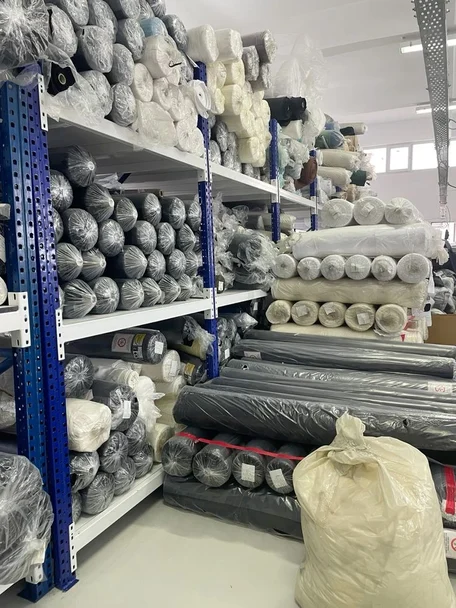
Choosing between polyester and cotton is the first real decision in any uniform order, and it decides how the garments feel on a long shift, how they survive the wash and how long they keep looking new. This guide compares the two fibres for work uniforms, explains why most staff uniforms end up in a blend of both, and shows which fabric suits which job. It is written by Desa & Co, a clothing manufacturer in Tirana that makes uniforms in cotton, polyester and polycotton.
The short answer: for uniforms that are washed often, a polycotton blend (usually 65% polyester, 35% cotton) is the best all-round choice. Pure cotton wins on comfort in the heat and next to the skin; pure polyester wins for sportswear and for hard physical work in the heat.
Key takeaways
Cotton is soft and breathable but creases, can shrink and fades faster under hot, frequent washing.
Polyester is tough, dries fast and holds its colour, but holds odour more than cotton and melts with heat.
Polycotton (65/35) combines the two, which is why it is the standard for polos, scrubs and chef jackets.
Choose by the job: how hot it is, how often the uniform is washed, and how it will be decorated.
Polyester vs cotton at a glance
Cotton | Polyester | Polycotton (65/35) | |
|---|---|---|---|
Comfort and breathability | Excellent | Lower, unless it is a wicking knit | Good |
Absorbs sweat | Yes, and holds it | Barely; wicks it to the surface | Partly |
Drying time | Slow | Fast | Medium |
Shrinking | Can shrink, especially in hot washes | Very little | Little |
Creasing | Creases easily | Resists creases | Resists creases |
Colour after many washes | Fades faster | Holds colour well | Holds colour well |
Durability and abrasion | Good | Very good | Very good |
Heat and flames | Chars, does not melt | Melts | Partly melts |
Best decoration | Embroidery, DTF | Embroidery, DTF, sublimation | Embroidery, DTF |
Cotton: comfort first
Cotton is a natural plant fibre. It is soft, breathes well and absorbs moisture, which is why a 100% cotton T-shirt feels cool on a warm day and gentle on sensitive skin. That makes it the right choice for staff T-shirts worn all day, for school uniforms and for anything children wear. Our staff T-shirts are 100% cotton at 160 to 180 g/m², and the cotton we use is certified to OEKO-TEX® Standard 100, which means it has been tested for harmful substances.
The same qualities have a downside in a uniform. Cotton absorbs sweat and holds it, so it dries slowly. It creases, it can shrink if it is washed hotter than its label allows, and strong colours fade faster under frequent washing. For a uniform washed once or twice a week that rarely matters; for one washed every day at high temperature it does.
Polyester: built to last
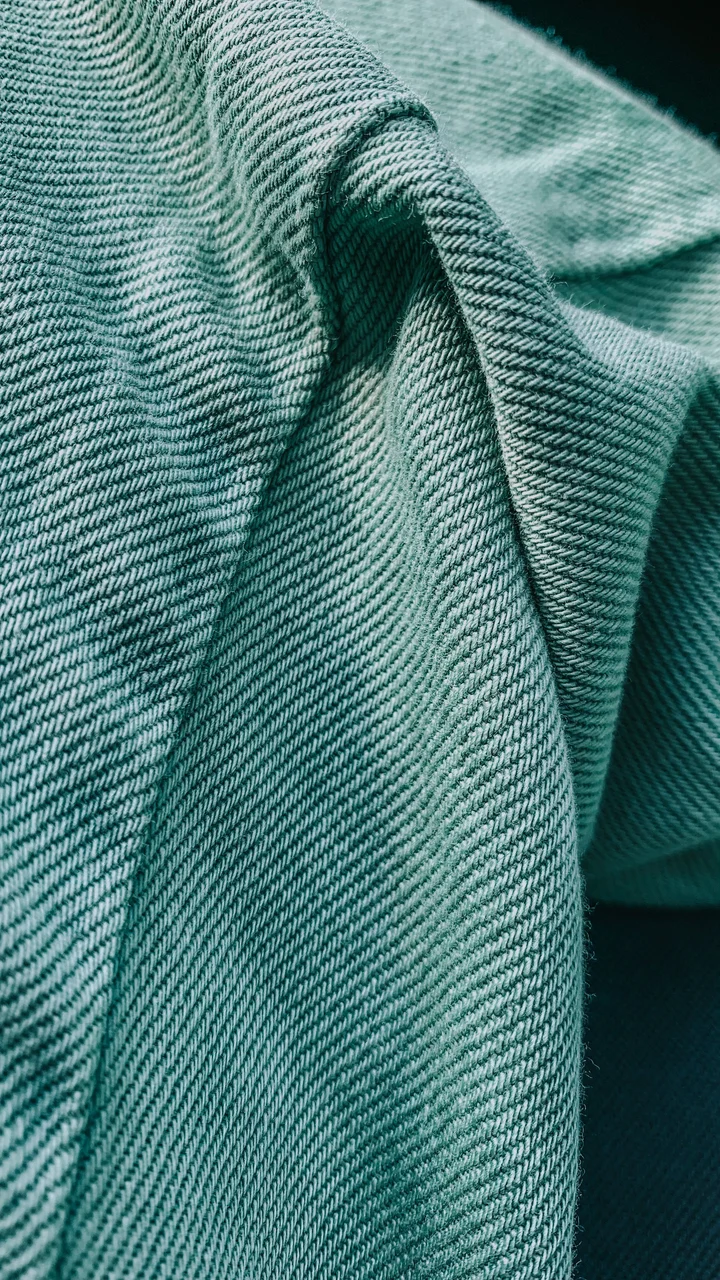
Polyester is a synthetic fibre made from oil-based plastic, and it is now the most produced textile fibre in the world: 59% of global fibre production in 2024, against 19% for cotton, according to the Textile Exchange Materials Market Report 2025. It is used so widely because it is strong, resists abrasion, dries quickly and keeps its shape and colour wash after wash.
In a uniform, polyester's weakness is comfort. It absorbs very little moisture, so a plain polyester shirt can feel clammy on a hot shift and tends to hold odour. Performance polyester knits solve this by wicking sweat to the outside of the fabric, where it evaporates; that is why football kits and running tops are polyester. One more point matters in some jobs: polyester is a thermoplastic, so it melts rather than chars near a flame or a very hot surface.

Polycotton: why most uniforms use a blend
Polycotton blends the two fibres so each covers the other's weak spots: the polyester adds strength, colour fastness and crease resistance, and the cotton adds softness and breathability. The most common mix for uniforms is 65% polyester and 35% cotton; 50/50 blends feel closer to cotton and are popular for T-shirts and sweatshirts.
That is why our staff polo shirts are 65/35 poly-cotton piqué at 200 to 220 g/m²: the collar keeps its shape and the colour stays even after many washes, which a pure cotton polo struggles to do. Our scrubs and chef jackets use poly-cotton for the same reason, with breathable weaves and ventilation panels for hot kitchens.
Blends can also shed fewer microfibres than pure polyester: a University of Plymouth study estimated that one 6 kg wash releases about 137,951 fibres from polyester-cotton fabric, against 496,030 from polyester and 728,789 from acrylic (University of Plymouth, Napper and Thompson, 2016).
Which fabric for which job
Start from the work, not the fabric. These are the choices we see most often:
Job | Best fabric | Why |
|---|---|---|
Office, reception, retail | Polycotton piqué polo or cotton T-shirt | Smart all day, easy to wash and iron |
Kitchens and hospitality | Polycotton chef jacket and apron, cotton-rich near open flames | Survives daily hot washes; cotton does not melt |
Healthcare and beauty | Polycotton scrubs and tunics | Takes frequent washing at 60°C and keeps its colour |
Construction, logistics, outdoor | Hard-wearing polycotton, 280 to 320 g/m² fleece hoodies for layering | Resists abrasion; hi-vis made to your standard |
Sport, events, outdoor shifts | Wicking polyester | Dries fast, takes full-colour sublimation |
Schools and children | OEKO-TEX® certified cotton | Soft and tested for harmful substances |
For jobs with a real fire or molten-metal risk, such as welding or foundries, neither ordinary cotton nor polycotton is enough: those roles need certified flame-resistant fabric. Hi-vis is similar: we make it to the standard the buyer specifies and supply a sample for the buyer to have tested.
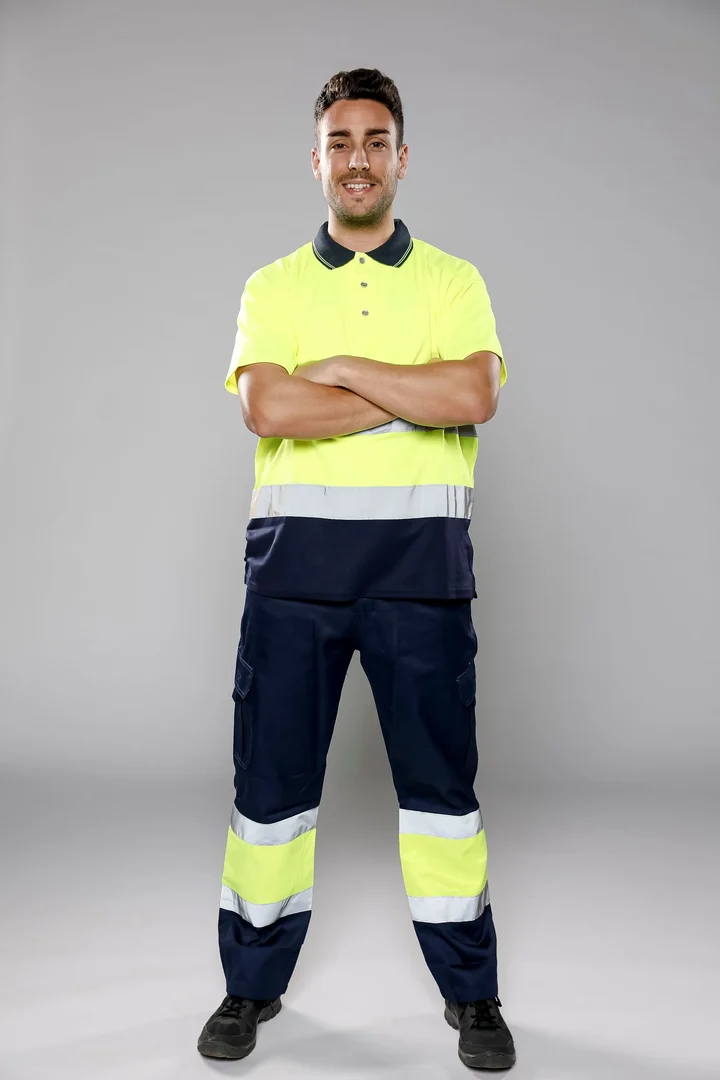
See the garments and fabrics by sector on our custom workwear, custom scrubs and hospitality uniforms pages, and custom hoodies for fleece layers.
Washing: the test every uniform has to pass
A uniform is washed far more often than ordinary clothes, so check the care label before you choose the fabric. In healthcare the bar is high: NHS England's guidance notes that a ten-minute wash at 60°C removes almost all micro-organisms, and asks trusts to take that into account before buying uniforms that can only be washed at low temperatures or are dry clean only (NHS England, Uniforms and workwear guidance, 2020).
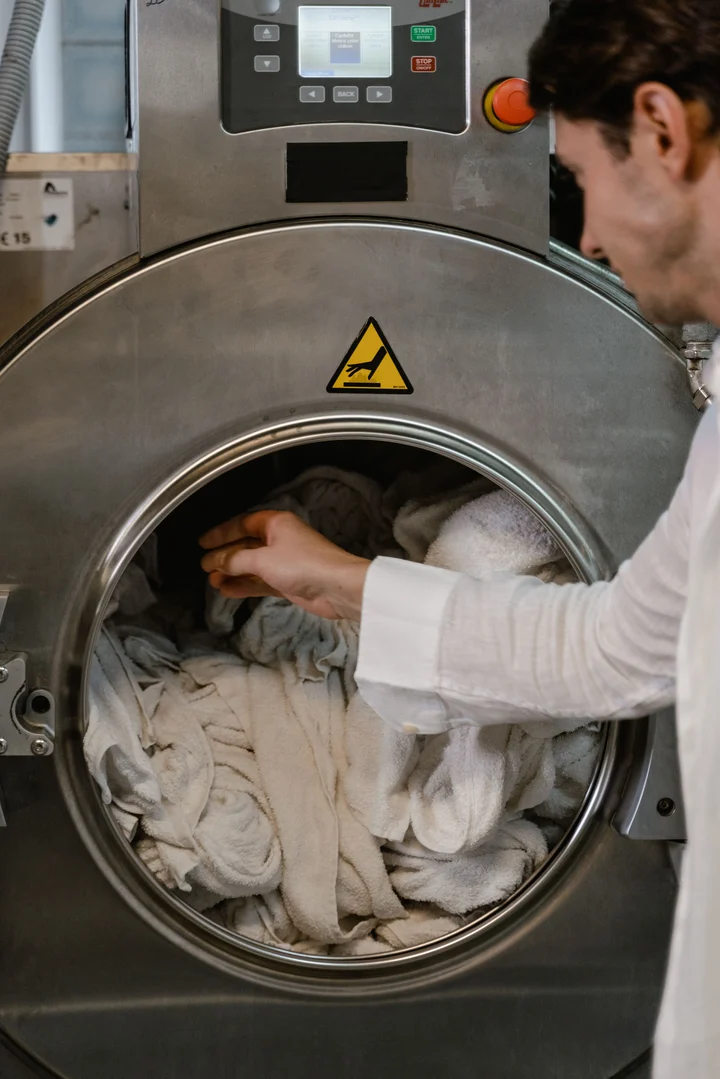
Polycotton handles hot washes well and keeps its size and colour. Pure cotton can be washed hot too, but expect some shrinkage on the first washes and more fading over time. Whatever the fabric, wash decorated garments inside out and don't iron directly over the embroidery or the print.
Printing and embroidery on each fabric
The fabric also decides how the logo can go on. Embroidery works on all three and suits small chest logos on polos and jackets. DTF printing works on cotton, polyester and blends, so it is the flexible choice for large back prints and full-colour artwork. Sublimation, where the ink becomes part of the fibre, works only on white or light-coloured polyester and high-polyester fabrics, which is why we use it for team kits rather than cotton T-shirts.
If you are ordering embroidered polo shirts or bulk custom T-shirts, we will recommend the method that suits the fabric and the artwork when we quote.
How we choose fabric at Desa & Co
We are a clothing manufacturer in Tirana, Albania, and we source fabric through our network of Turkish fabric suppliers, choosing the fibre, weight and weave for the job the uniform has to do. For one UK order we made 1,000 hoodies, 2,000 T-shirts and 500 polo shirts, all in fabric we sourced in Turkey.
Our minimum is 100 to 150 pieces per product, production of the minimum quantity takes 2 weeks after sample approval, embroidery and DTF printing are done in house, and production is certified to ISO 9001, ISO 14001 and ISO 45001. We deliver to the United Kingdom, Italy and across Albania. Not sure which fabric fits your team? Tell us about the job and the quantities and we will recommend one with your quote. If you are still comparing suppliers, our guide to clothing manufacturers in Europe is a good place to start.
Frequently asked questions
Is cotton or polyester better for work uniforms?
For most uniforms that are washed often, neither on its own: a polycotton blend is the best balance of comfort and durability. Choose 100% cotton for comfort in the heat and for children, and wicking polyester for sport and staff who sweat a lot.
Is polyester or cotton better in hot weather?
Cotton is more comfortable for light, all-day wear because it breathes and absorbs moisture. For hard physical work in the heat, a wicking polyester dries faster and stays lighter once you sweat.
Does polycotton shrink?
Very little. The polyester content keeps the fabric stable, so a polycotton uniform keeps its size far better than pure cotton when washed hot.
Can polycotton be washed at 60°C?
Usually yes, which is one reason it is used for scrubs and chef jackets. Always follow the care label, because trims, prints and some finishes have their own limits.
Need clothing made for your team?
Send us the product, the quantity and your logo, and we will reply with a quote and a delivery date.
Request a quoteKeep reading
How to Start a Clothing Brand: Step by Step
From the first idea to stock you can sell: how to plan a clothing brand, brief a manufacturer, approve samples and order your first production run, written from the factory's side.
Clothing Manufacturers in Europe: Buyer's Guide
Portugal, Turkey or Albania? How the three European options UK buyers compare most often stack up on industry size, markets and trade with the UK, and how to pick the right one for your order.