
GSM Meaning: Fabric Weight in Clothing Explained
What GSM means on a T-shirt, polo or hoodie, how it is measured and converted to ounces, what it does and doesn't tell you about quality, and which weight to choose for uniforms and merch.
Guides7 min read
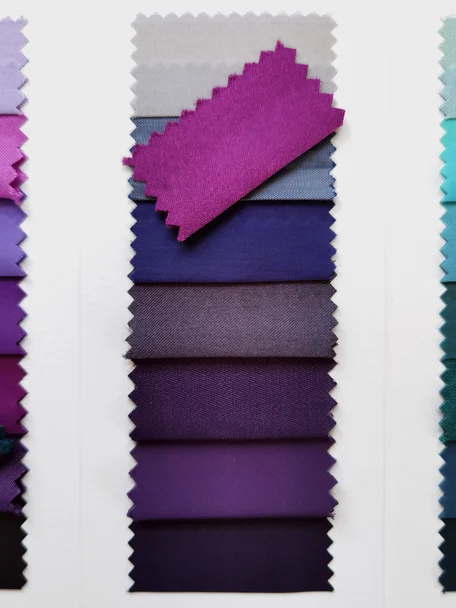
GSM is the number you see on almost every T-shirt, polo shirt and hoodie spec sheet, and it is the quickest way to compare fabrics before you order. This guide explains what GSM means, how it is measured, how it converts to ounces, what it does and doesn't tell you about quality, and which weight suits each garment. It is written by Desa & Co, a clothing manufacturer in Tirana whose T-shirts, polo shirts and hoodies are made to the fabric weights in this guide.
The short answer: GSM stands for grams per square metre. It is the weight of one square metre of fabric, so a 180 GSM T-shirt fabric weighs 180 grams per square metre. A higher number means a heavier, usually thicker and more opaque fabric, but not automatically a better one.
Key takeaways
GSM (g/m²) is the weight of one square metre of fabric; it is measured by cutting and weighing a sample.
To convert to ounces per square yard, divide GSM by about 33.9: 200 GSM is about 5.9 oz.
Our weights: T-shirts 160 to 200 GSM, polo shirts 200 to 220 GSM, hoodies 280 to 340 GSM.
GSM measures weight, not quality: fibre, yarn and knit matter just as much.
What does GSM mean?
GSM is short for grams per square metre (g/m²), the standard metric measure of fabric weight, also called mass per unit area. It tells you how much material is packed into each square metre: more or thicker yarn, or a denser knit, gives a higher GSM.
The weight matters because it shapes almost everything you notice when you wear a garment: how thick it feels, whether it shows through, how warm it is, how it hangs and how well it holds a print or embroidery. That is why manufacturers and buyers use it as the first line of a fabric spec.
How fabric weight is measured
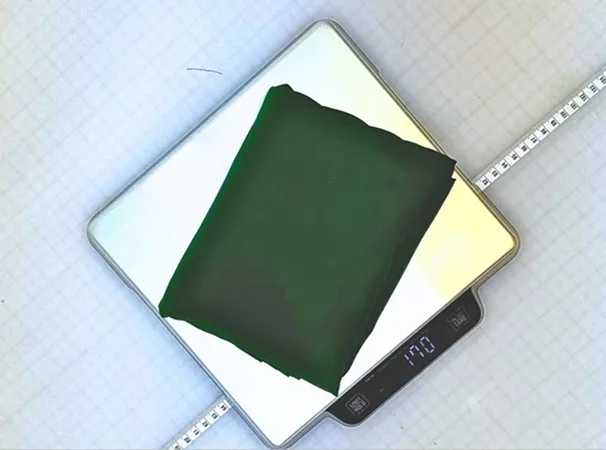
Fabric weight is measured by weighing a sample of known size. In a factory or lab that usually means cutting a round sample of exactly 100 cm² with a GSM cutter and weighing it on a precise scale: because 100 cm² is one hundredth of a square metre, the weight in grams multiplied by 100 gives the GSM. A sample that weighs 1.8 g is a 180 GSM fabric.
Formal testing follows published methods such as ASTM D3776, Standard Test Methods for Mass Per Unit Area (Weight) of Fabric, which describes how to measure a full roll, a full-width sample or a small swatch. Expect a small tolerance either way: two rolls of the same fabric are rarely identical to the gram.
GSM vs ounces: how to convert
Brands in the United States often quote fabric weight in ounces per square yard (oz/yd²) instead of GSM. The official conversion is 1 oz/yd² = 33.906 g/m² (NIST Guide to the SI, Appendix B), so divide GSM by 33.9 to get ounces, or multiply ounces by 33.9 to get GSM.
GSM (g/m²) | Ounces (oz/yd²) | Typical garment |
|---|---|---|
150 | 4.4 | Light summer T-shirt |
180 | 5.3 | Everyday T-shirt |
200 | 5.9 | Heavier T-shirt, light polo |
220 | 6.5 | Polo shirt |
280 | 8.3 | Hoodie, sweatshirt |
320 | 9.4 | Warm hoodie |
340 | 10.0 | Heavyweight oversized hoodie |
One caution when comparing spec sheets: a few suppliers quote ounces per linear yard of fabric instead of per square yard, which gives a larger number for the same cloth. If a figure looks out of line, ask which one it is.
What GSM to choose for each garment
There is no single right weight; it depends on the garment, the season and how it will be worn. As a rough guide, our T-shirts sit at the light end, polos and training tops in the middle, and fleece hoodies at the heavy end. These are the weights we make, and what each suits:
Garment | Our weight | Best for |
|---|---|---|
T-shirt, short sleeve | 160 to 180 GSM, 100% cotton | Staff wear all day, events, summer, printed merch |
T-shirt, long sleeve | 180 to 200 GSM, 100% cotton | Cooler months and layering |
Polo shirt | 200 to 220 GSM, 65/35 poly-cotton piqué | Customer-facing staff, embroidered logos |
Children's piqué polo | 160 to 180 GSM, cotton piqué | Schools and junior clubs |
Training top | 200 to 240 GSM, polyester or stretch nylon | Gym, training ground, outdoor staff |
Hoodie | 280 to 320 GSM fleece | Uniform layers, outdoor staff, club and school wear |
Oversized hoodie | 320 to 340 GSM fleece | Merch and streetwear with a heavier, structured feel |
T-shirts
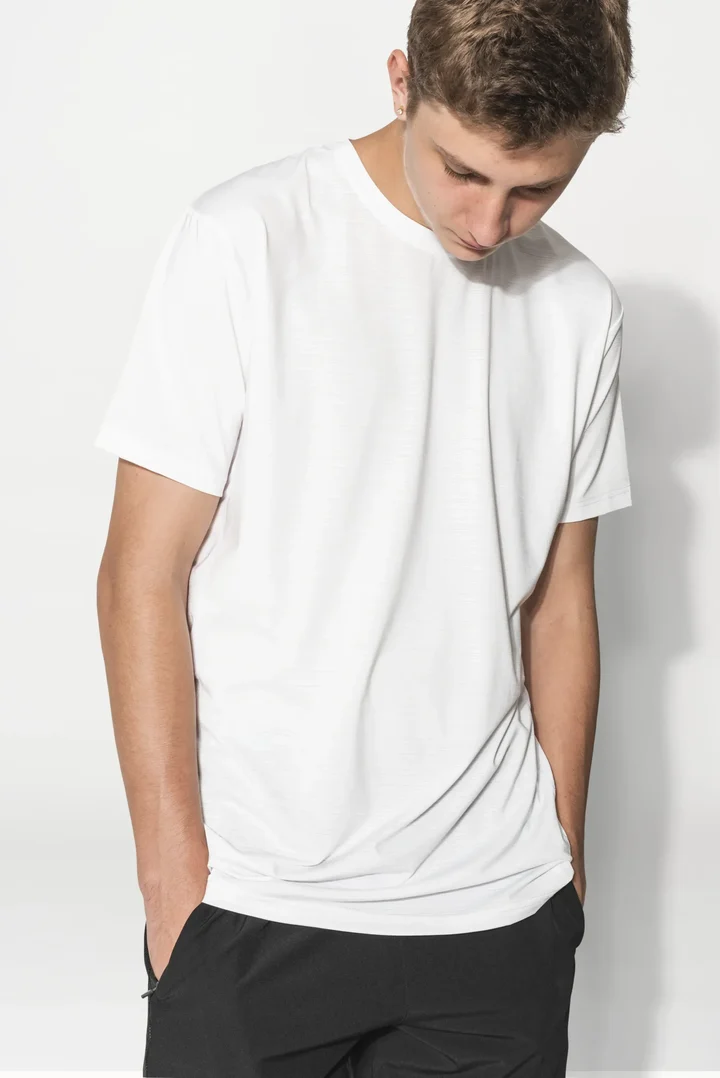
For staff who wear a T-shirt all day, especially in warm weather, 160 to 180 GSM cotton is the sweet spot: comfortable, breathable and solid enough to take a print. Go up to 180 to 200 GSM for long sleeves, cooler months or a T-shirt that should feel more substantial: a 200 GSM T-shirt feels noticeably heavier than a 160 GSM one and shows through less in white. See our bulk custom T-shirts.
Polo shirts
Our polo shirts are made in piqué, a textured knit that is heavier than T-shirt jersey. At 200 to 220 GSM the collar and placket keep their shape and the fabric gives an embroidered logo a firm base. See our embroidered polo shirts.
Hoodies
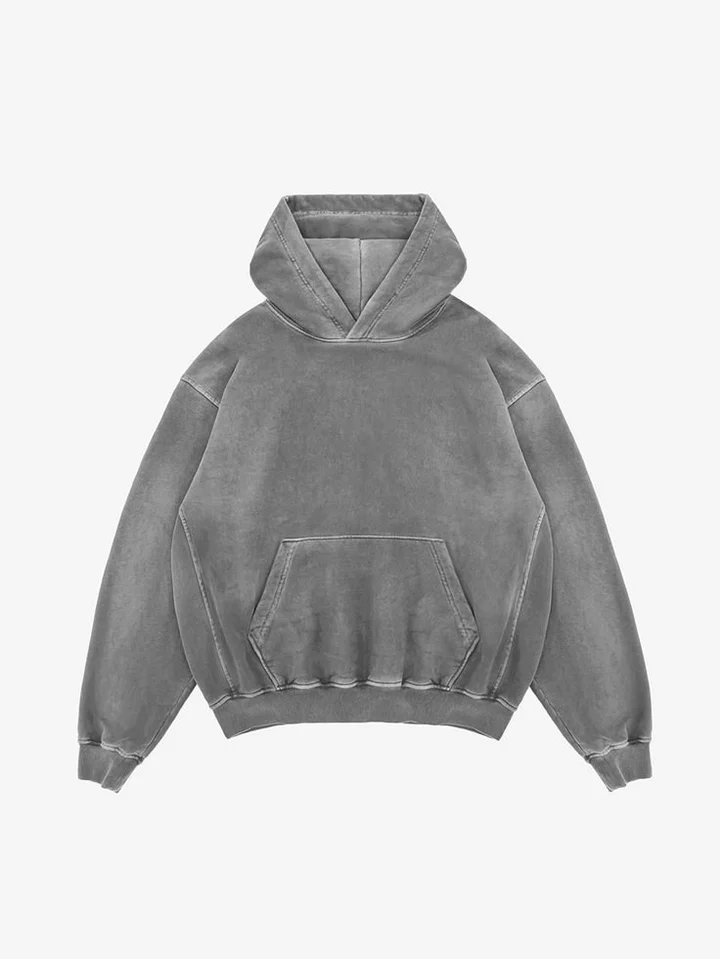
Hoodies are made in fleece or loop-back sweat fabric, so their weights start where T-shirts stop. Our 280 to 320 GSM fleece suits uniforms and club wear that need to be warm but still comfortable indoors; our oversized 320 to 340 GSM fleece gives the heavier, more structured feel that streetwear and merch brands look for. See our custom hoodies.
What GSM doesn't tell you
A heavier fabric is not automatically a better one. GSM measures weight only, and two fabrics with the same number can feel and wear very differently. Before you choose on GSM alone, ask about:
- Fibre: cotton, polyester or a blend changes comfort, washing and durability more than a few grams do. Our guide to polyester vs cotton for work uniforms compares them.
- Yarn: combed cotton yarn, with the short fibres removed, makes a smoother, stronger fabric than carded yarn at the same weight.
- Knit or weave: jersey, piqué and fleece of the same weight look and behave completely differently.
- Finishing: pre-shrinking, brushing and dyeing affect softness, shrinkage and how the colour lasts.
A well-made 160 GSM T-shirt can outlast a poorly made 200 GSM one. Use GSM to compare similar fabrics, then judge the rest from a sample.
GSM and logo decoration
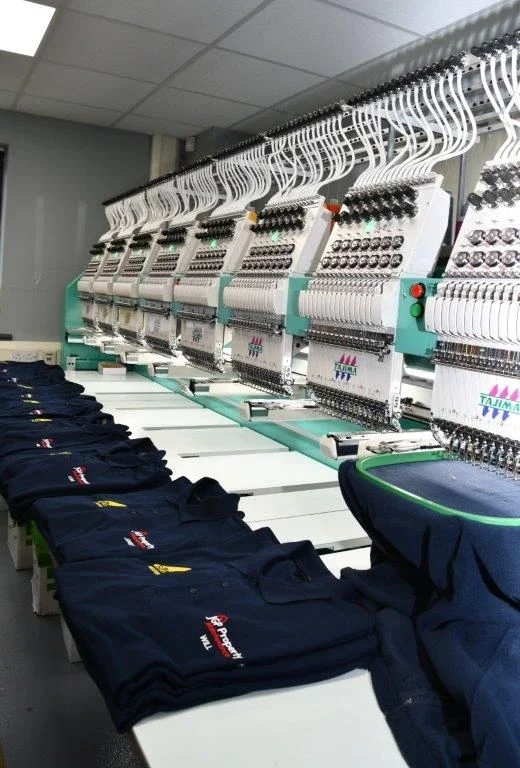
Weight also affects how a logo goes on. Embroidery needs a fabric with enough body to hold the stitches, so large embroidered designs suit piqué polos, sweatshirts and hoodies better than light T-shirt jersey. DTF printing works across the range, from 160 GSM T-shirts to heavy fleece. We do both in house and will recommend the method that suits the fabric when we quote.
Choosing fabric weight with Desa & Co
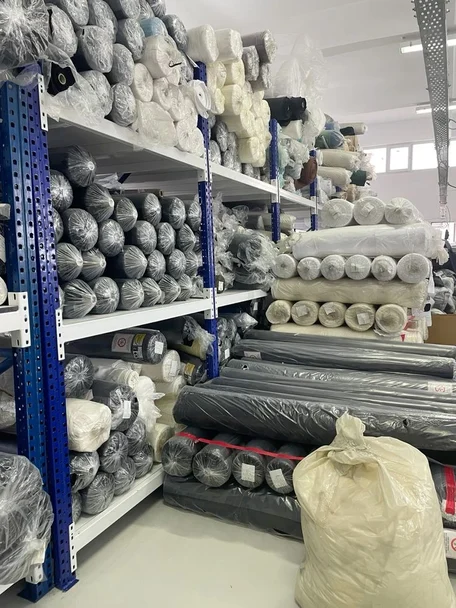
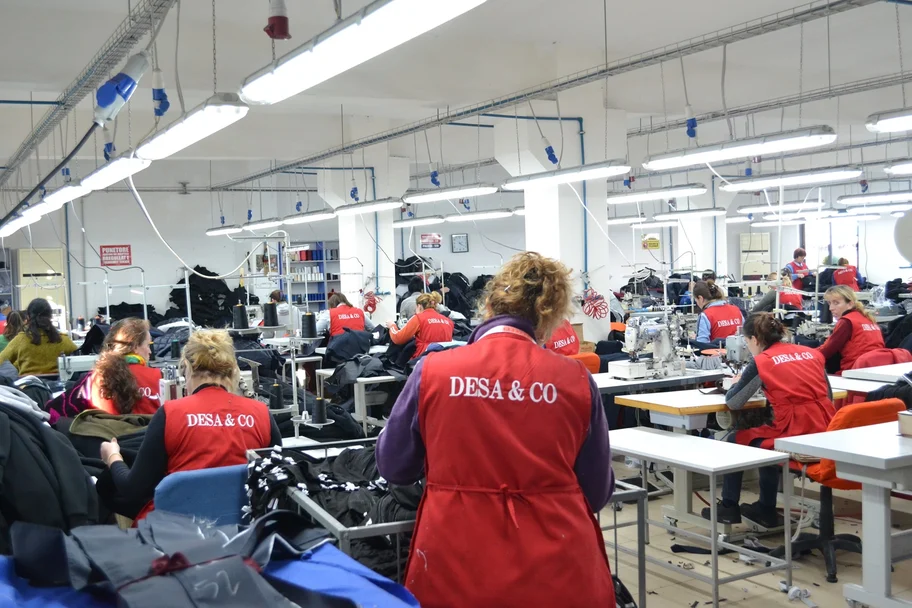
We are a clothing manufacturer in Tirana, Albania, and we source fabric through our network of Turkish fabric suppliers, choosing the fibre and weight for what each garment has to do. For one UK order we made 1,000 hoodies, 2,000 T-shirts and 500 polo shirts, all in fabric we sourced in Turkey.
Our minimum is 100 to 150 pieces per product, production of the minimum quantity takes 2 weeks after sample approval, and our cotton is certified to OEKO-TEX® Standard 100, embroidery and DTF printing are done in house, and production is certified to ISO 9001, ISO 14001 and ISO 45001. We deliver to the United Kingdom, Italy and across Albania. Tell us the garments, quantities and the feel you want and we will recommend a weight with your quote.
Frequently asked questions
What does GSM mean on clothing?
GSM means grams per square metre: the weight of one square metre of the fabric the garment is made from. It tells you how heavy and dense the fabric is.
Is a higher GSM better?
Not always. Higher GSM means heavier, warmer and usually more opaque fabric, which suits hoodies and premium T-shirts, but it can be too warm for summer staff wear. Fibre, yarn and finishing matter as much as weight.
What GSM is a good T-shirt?
For everyday and staff T-shirts, 160 to 180 GSM cotton is a good balance of comfort and durability. For a heavier, more structured T-shirt, look at 180 to 200 GSM, the weight we use for long sleeves. Streetwear "heavyweight" T-shirts go heavier still, so compare samples side by side.
What GSM is a good hoodie?
Ours are 280 to 320 GSM fleece, which is warm without being stiff, and our oversized hoodies are 320 to 340 GSM for a heavier, more structured feel.
How do I convert GSM to oz?
Divide GSM by 33.9 to get ounces per square yard. For example, 200 GSM is about 5.9 oz/yd², and 300 GSM is about 8.8 oz/yd².
Need clothing made for your team?
Send us the product, the quantity and your logo, and we will reply with a quote and a delivery date.
Request a quoteKeep reading
Polyester vs Cotton for Work Uniforms
Cotton, polyester or a polycotton blend? How each fabric wears, washes and lasts in a work uniform, and which one suits offices, kitchens, clinics, sites and sports teams.

How to Start a Clothing Brand: Step by Step
From the first idea to stock you can sell: how to plan a clothing brand, brief a manufacturer, approve samples and order your first production run, written from the factory's side.
Clothing Manufacturers in Europe: Buyer's Guide
Portugal, Turkey or Albania? How the three European options UK buyers compare most often stack up on industry size, markets and trade with the UK, and how to pick the right one for your order.