
Fleece vs French Terry: Which Hoodie Fabric?
What fleece fabric is (and why hoodie fleece is not polar fleece), what French terry is, how the two compare on warmth, breathability, weight and branding, and which suits team, school, staff and merch hoodies.
Guides6 min read
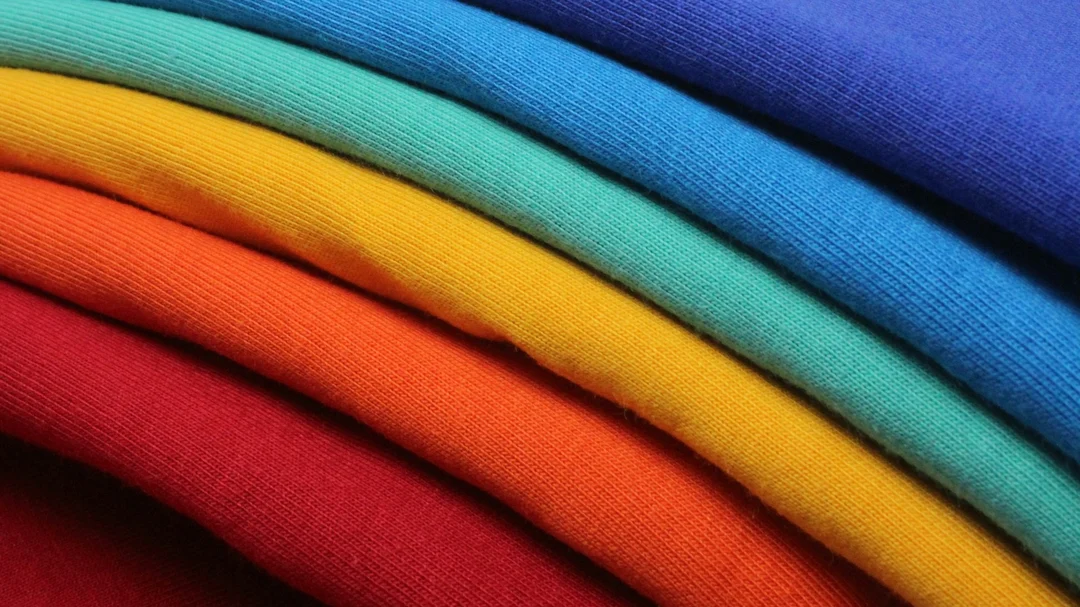
Hoodie specs usually say either fleece or French terry, and the two look much the same from the outside. The difference is on the inside, and it changes how warm the hoodie is, how it breathes and how it feels after a season of washing. It is written by Desa & Co, a clothing manufacturer in Tirana that makes hoodies and decorates them with embroidery and DTF printing in house.
The short answer: French terry keeps small loops of yarn on the inside, while hoodie fleece is the same kind of looped knit with the loops brushed into a soft, fluffy pile. The brushing makes fleece warmer and cosier; the open loops make French terry lighter and more breathable.
Key takeaways
"Fleece" means two things: brushed-back sweatshirt fabric in hoodies, and polyester polar fleece in outdoor jackets.
French terry has a smooth face and unbrushed loops on the back; sweatshirt fleece has the loops brushed up.
Fleece is warmer and softer; French terry breathes better and suits milder weather and layering.
Both have a smooth outer face, so both are usually embroidered or printed without trouble; weight in g/m² matters as much as the fabric name.
What is fleece fabric?
Fleece is any fabric with a raised, fluffy surface made by brushing, also called napping or raising. In napping, rollers covered in fine wire bristles pull fibre ends out of the yarn to form a soft mat; the nap makes the fabric feel softer and traps air that acts as insulation (Encyclopedia.com). The word covers two quite different fabrics, and it helps to know which one a supplier means.
Polar fleece: the outdoor jacket fabric
Polar fleece is a soft, napped, insulating fabric made from polyester. It was developed in Massachusetts in 1979 by Malden Mills, now Polartec, and Patagonia as an imitation of wool. It comes in weights such as 100, 200 and 300 g/m², is hydrophobic, holding less than 1% of its weight in water, and dries quickly, but it is not windproof, builds up static and can pill. Traditionally it is fluffy on both sides, although some fabric sold as polar fleece today is not (Wikipedia). It is the fabric of fleece jackets and zip-up mid-layers.
Sweatshirt fleece: the hoodie fabric
The fleece in most hoodies is a sweatshirt knit with a smooth outer face and loops on the reverse, brushed so that the inside is fleecy and soft (Fabrics Galore). It is often called brushed-back or fleece-back fabric. It can be cotton, polyester or a blend: Fabrics Galore describes brushed-back jersey as usually made from natural fibres and fleece-backed fabric as made with synthetic fibres, and rates the fleece-backed version as the warmer of the two.
What is French terry?
French terry is a knitted fabric with loops covering one face and a flat face on the other; it is used for hoodies, joggers and shirts and can be 100% cotton or a blend, sometimes with spandex (Wikipedia). In a garment, the loops sit on the inside and the smooth side faces out.
Because the loops are left open, air moves through the fabric more easily. The textile resource Fabriclore describes French terry as breathable and moisture absorbing, with moderate insulation that is less than heavy fleece, and versatile across seasons: layered in cooler months, worn on its own in warmer ones (Fabriclore).
French terry vs fleece: side by side
Both fabrics start from the same idea, a knit with loops on the back. The finishing step is what separates them, so most of the differences follow from whether the loops are brushed or not.
French terry | Sweatshirt fleece (brushed back) | |
|---|---|---|
Inside | Small, open loops | Loops brushed into a soft pile |
Feel | Smooth outside, looped and textured inside | Smooth outside, plush and cosy inside |
Warmth | Light to moderate | Higher: the brushed pile traps air |
Breathability | Good: open loops let air through | Lower than French terry |
Weight | Set by g/m², not by the name | Set by g/m², not by the name |
Season | Spring, autumn, layering | Autumn and winter, outdoor wear |
Printing and embroidery | Smooth face takes both well | Smooth face takes both well |
Wear | Less prone to pilling: no brushed pile | Brushed pile can pill and flatten with wear |
Two rows deserve a note. Weight overlaps: either fabric can be light or heavy, so compare the number in g/m² rather than the fabric name; our guide to GSM explains how to read it. And wear: napped fabrics may pill more, abrade more easily and flatten with use (Encyclopedia.com), which is the trade-off for their softness.

Which is better for printing and embroidery?
For hoodies, both fabrics are decorated on the smooth outer face, so the choice between them rarely limits your logo. Vistaprint rates French terry as good for printing and embroidery, its smooth surface preserving fine detail (Vistaprint).
The same Vistaprint guide adds that brushed fleece can soften the edges of a print and that embroidery usually works best on it, which matters most on fabric brushed on the outside too, like polar fleece. For a fleece jacket, embroider the logo; for a hoodie, choose between embroidery and print based on the design. Our guide to embroidery vs printing covers that decision.
Which to choose for branded hoodies
There is no single better fabric; it depends on where and when the hoodie will be worn.
- Sports teams: French terry for warm-ups and travel, where players get warm and want a breathable layer; fleece for supporters and coaches standing on the touchline in winter.
- Schools: for hoodies worn indoors all day, French terry avoids overheating; for outdoor PE and trips in cold months, fleece keeps pupils warmer.
- Staff uniforms: fleece for people who work outdoors or in cold spaces such as warehouses; French terry for shops, offices and studios.
- Merch and brands: fleece for a cosy winter product; French terry for a lighter hoodie that sells all year. For a heavier, more substantial feel, choose a higher g/m² in either fabric.
Whichever you choose, ask your supplier for the fabric type, the fibre content and the weight in g/m² in writing, and check a sample before you approve a bulk order.
Hoodies from Desa & Co
Our custom hoodies are made at 280 to 320 g/m², and our oversized styles at 320 to 340 g/m². When you ask for a quote, ask us to confirm the fabric construction and fibre content in writing, and check them on the sample before you approve the order. Logos are embroidered or DTF printed in house. Our minimum is 100 to 150 pieces per product, with sizes and colours mixed within it, production of the minimum quantity takes 2 weeks after design approval, and we deliver to the United Kingdom, Italy and across Albania. Send us your logo and quantities.
Frequently asked questions
Is fleece warmer than French terry?
Generally, yes. Brushing raises the fibres into a pile that traps air (Encyclopedia.com), so fleece insulates better, while French terry's open loops let more air through and suit milder weather.
Is hoodie fleece the same as polar fleece?
No. Polar fleece is a napped polyester fabric, traditionally fluffy on both sides, used for outdoor jackets. Hoodie fleece is a sweatshirt knit with a smooth outer face and a brushed inside, and it can be cotton, polyester or a blend.
Is French terry a type of fleece?
Not quite. French terry and sweatshirt fleece start as similar looped knits, but French terry keeps its loops while fleece has them brushed. A French terry with brushed loops is effectively a fleece.
Does fleece pill?
It can. Napped fabrics may pill and flatten more easily than unbrushed ones, and polar fleece can pill too. If pilling worries you, French terry's unbrushed loops are generally less prone to it.
Which fabric is best for an embroidered hoodie?
Either. Hoodies are embroidered on the smooth outer face, which both fabrics share, so choose the fabric for warmth and feel and the decoration for the design.
Need clothing made for your team?
Send us the product, the quantity and your logo, and we will reply with a quote and a delivery date.
Request a quoteKeep reading
What Is Sublimation Printing on Clothing?
How dye sublimation works, from transfer paper to heat press, why it needs white or light polyester, its strengths and limits, how it compares with DTF and embroidery, and why football kits are made this way.

Uniform Tax Rebate: Who Can Claim and How
A plain-English summary of the UK uniform tax rebate: who qualifies, what counts as a uniform for HMRC, the flat rate amounts by job, how to claim for the current tax year and the 4 previous ones, and what it means for employers ordering branded uniforms.
How to Wash Work Uniforms and Keep Logos Sharp
How to wash branded polos, T-shirts, hoodies, workwear, hi-vis, scrubs and chef whites so the logo and the colour last: care labels, temperatures, drying, ironing and who washes PPE.