What Is Sublimation Printing on Clothing?
How dye sublimation works, from transfer paper to heat press, why it needs white or light polyester, its strengths and limits, how it compares with DTF and embroidery, and why football kits are made this way.
Guides6 min read
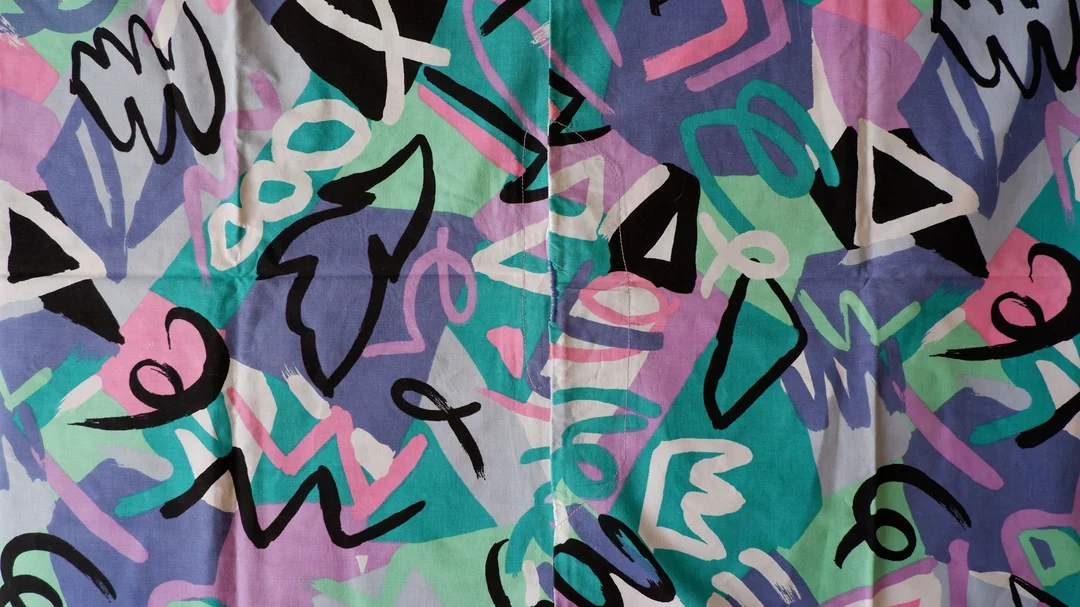
What is sublimation printing, and is it the right method for your shirts? This guide explains how it works, which fabrics it needs, where it falls short and how it compares with DTF and embroidery. It is written by Desa & Co, a clothing manufacturer in Tirana, Albania, that sublimates team kits and does embroidery and DTF printing in house.
The short answer: sublimation printing transfers special dyes from printed paper into polyester fabric with heat, so the design becomes part of the fibre instead of a layer on top. It prints full colour from edge to edge, but only on polyester, and it works best on white or light fabric.
Key takeaways
The design is printed on transfer paper, then a heat press moves the dye into the polyester.
It needs polyester or a high-polyester blend in white or a light colour; it does not work on cotton or dark fabric.
There is no raised layer to crack or peel, and the whole garment can be printed, which is why sports kits use it.
For cotton, dark garments or a premium chest logo, DTF printing or embroidery is the better choice.
How sublimation printing works
For clothing, the usual process is sublimation transfer printing, as Wikipedia describes it (Wikipedia, dye-sublimation printing):
- Print the transfer: the design is printed as a mirror image onto coated, heat-resistant transfer paper with sublimation ink. Epson notes the printed paper looks mirrored and less vibrant than the final result, which is normal (Epson).
- Press: the paper is placed on the polyester fabric in a heat press, which combines time, temperature and pressure. The most common sublimation dyes activate at about 175°C, with about 195 to 215°C normally recommended for the best colour.
- Transfer: the heat moves the dye out of the paper and into the polyester fibres, where it stays once the fabric cools.
A variant, direct dye sublimation, prints the ink straight onto the fabric, which is then heated in an oven or a calender to set the dye. The name is slightly misleading: sublimation means a solid turning straight into a gas, but the process was later shown to involve some liquefaction of the dye and is more correctly called dye diffusion. The old name stuck.
Which fabrics work
Sublimation needs polyester. Mimaki, a printer manufacturer, says textiles typically need a high polyester content, usually at least 65%, for strong results, and that cotton and untreated natural fabrics do not work well because the ink cannot bond with the fibres (Mimaki). Epson adds that a higher polyester content gives more vibrant results.
Colour matters as much as fibre. Sublimation does not use white ink, so Epson recommends white or light-coloured fabric and rules out dark T-shirts. Because there is no white ink, any white in a design is simply unprinted fabric: a navy shirt with white pinstripes starts as a white polyester shirt, printed navy everywhere except the stripes. Our guide to polyester vs cotton explains why sportswear is usually polyester in the first place.
Advantages of sublimation
Wikipedia's article lists the main advantages over other textile printing methods (Wikipedia):
- Prints all over: the image can cover the entire item, with no difficulty printing right to the edges.
- No layer to crack: because the dye is inside the fibre, prints will not crack, fade or peel under normal conditions, and Mimaki says they stay vibrant and resistant to washing.
- The fabric keeps its feel: Mimaki says sublimation gives polyester garments colourful designs without a raised print layer, and Epson describes the results on sportswear as breathable (Epson blog).
- Gradients need no special technique: continuous, photograph-like tones are achieved without special techniques such as halftone screening.
Limits to know before you order
- Polyester only: a cotton T-shirt or a low-polyester blend will not take the dye properly.
- White or light fabric only: a design cannot be sublimated onto a black garment, and nothing in the design can be lighter than the fabric.
- Care still counts: Mimaki says a print's lifespan depends on material quality, use and care, such as washing temperature and UV exposure, and Epson advises against dye sublimation for long-term outdoor use. Follow the care label.
Sublimation vs DTF vs embroidery
The three methods suit different garments. DTF prints pigment inks onto PET film, coats the wet ink with an adhesive powder, cures it and heat-presses it onto the garment, then the film is peeled away; it works on any colour of garment (Ink Experts, what is DTF printing). Embroidery stitches the logo in thread.
Sublimation | DTF printing | Embroidery | |
|---|---|---|---|
How it is applied | Dye moved into the fibre with heat | Ink and adhesive heat-pressed onto the surface; the film is peeled off | Thread stitched into the fabric |
Fabrics | Polyester, white or light | Cotton, polyester and blends, light or dark | Most garment fabrics |
Feel | No raised layer | A thin layer on the fabric | Raised, textured |
Design area | Whole garment, edge to edge | Placed prints, front, back or sleeve | Logos and short text |
Best for | Team kits, all-over sportswear | Full-colour logos on cotton and dark garments | Chest logos on polos, jackets, workwear |
Our guides to what DTF printing is and embroidery vs printing go deeper on the other two methods.
Why football and team kits are sublimated
Football kits are usually polyester sportswear, so the fabric takes the dye. Stripes, hoops, gradients and patterns print as easily as a plain colour, and the crest and sponsor logos can be part of the same print. Because the dye is in the fibre, there is no layer on top to crack or peel. If you are planning a new strip, our guide on how to design a football kit covers colours, sponsor sizes and numbers.
Sublimated kits from Desa & Co
We use sublimation for team kits, and embroidery and DTF printing, done in our own workshop, for T-shirts, polos, hoodies and workwear. Our minimum is 100 to 150 pieces per product, with sizes mixed within it, and production of the minimum quantity takes 2 weeks after design approval; for larger quantities, ask us. We deliver to the United Kingdom, Italy and across Albania. See our custom football kits or send us your design and we will tell you which method suits each garment.
Frequently asked questions
Can you sublimate a polyester-cotton blend?
Only if it is mostly polyester. Mimaki puts the usual threshold at about 65% polyester, and Epson notes that colours get more vibrant as the polyester content rises, so a blend with more cotton gives a paler result.
Does sublimation fade in the wash?
Under normal use it should not crack, peel or wash out, because the dye is part of the fibre. How long it stays bright still depends on care: wash at the temperature on the label and keep garments out of strong sun when drying.
What is the difference between sublimation and screen printing?
Screen printing lays ink on top of the fabric, while sublimation puts the dye inside polyester fibres. Wikipedia contrasts the two: screen printing and direct-to-garment printing apply ink topically, sublimation infuses it.
Need clothing made for your team?
Send us the product, the quantity and your logo, and we will reply with a quote and a delivery date.
Request a quoteKeep reading
Uniform Tax Rebate: Who Can Claim and How
A plain-English summary of the UK uniform tax rebate: who qualifies, what counts as a uniform for HMRC, the flat rate amounts by job, how to claim for the current tax year and the 4 previous ones, and what it means for employers ordering branded uniforms.
How to Wash Work Uniforms and Keep Logos Sharp
How to wash branded polos, T-shirts, hoodies, workwear, hi-vis, scrubs and chef whites so the logo and the colour last: care labels, temperatures, drying, ironing and who washes PPE.
Logo Placement on Shirts and Uniforms: A Guide
Where should the logo go on a polo, T-shirt, hoodie, jacket or hi-vis vest? The common positions, typical sizes, embroidery or DTF for each, and how to brief your supplier.