
What Is Piqué Fabric? The Polo Shirt Knit
What piqué fabric is, how woven piqué differs from the piqué knit used for polo shirts, why polos are made from it, and how to compare cotton and poly-cotton piqué for staff uniforms.
Guides4 min read
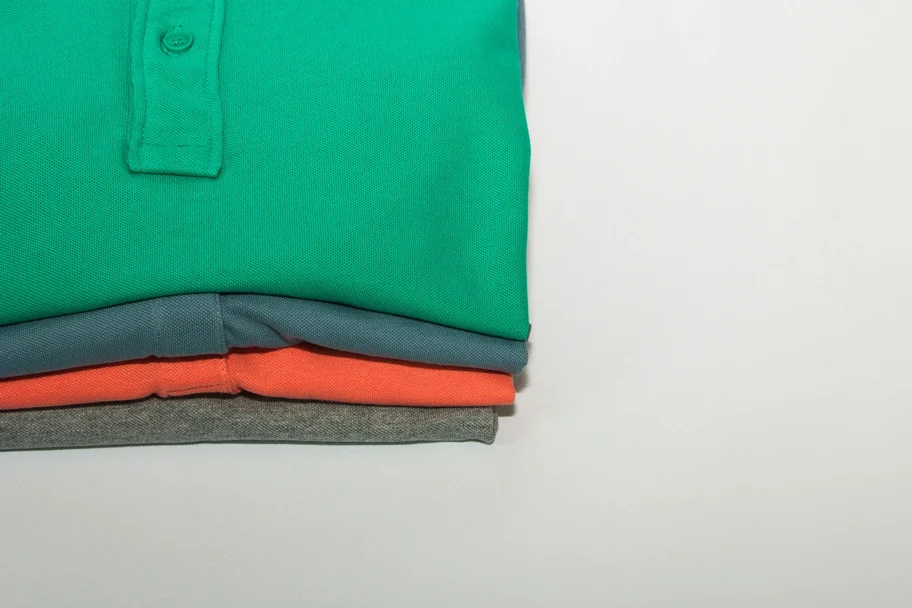
Look at the product description of a polo shirt and you will usually find the word piqué. It describes the small, raised texture you can feel on the fabric, but the term also covers an older woven cloth that has nothing to do with polos. This guide explains what piqué fabric is, the difference between woven piqué and piqué knit, why it became the polo shirt fabric and what to look for when you order polos for a team. It is written by Desa & Co, a clothing manufacturer in Tirana that makes piqué polo shirts and embroiders them in house.
The short answer: piqué (pronounced "pee-kay") is a fabric with a raised, textured pattern, such as a honeycomb or waffle. The original is a woven cloth; the piqué used for polo shirts is a knit, usually weighing 150 to 240 g/m² (gsm) (White Cotton).
Key takeaways
Piqué is a texture, not a fibre: it can be cotton or a cotton-polyester blend.
Woven piqué is the stiff fabric of formal shirt fronts; piqué knit is the polo shirt fabric.
The textured surface gives polos structure and hides small imperfections better than smooth jersey.
For staff polos, compare fibre, weight in gsm and how the collar is made, not just the word piqué.
Woven piqué: the original
Piqué, also called marcella, is a weaving style, normally in cotton, with raised parallel cords or geometric designs. It is a dobby construction: extra "stuffer" yarns give the surface its depth, in patterns such as cord, waffle, honeycomb and birdseye (Wikipedia).
The name comes from the French piquer, to prick, a word also used for quilting, and "marcella" is a variant of Marseille. Because woven piqué holds more starch than plain cloth, it became the classic fabric for the stiff shirt fronts, ties and waistcoats of white tie dress (Wikipedia).
Piqué knit: the polo shirt fabric
The piqué in a polo shirt is a knit, not a weave. White Cotton's textile glossary calls piqué knit, at 150 to 240 gsm, "the definitive polo shirt fabric", offering structure, breathability and a sporty look (White Cotton). The same source notes that the textured surface hides minor imperfections better than smooth jersey.
Woven piqué | Piqué knit | |
|---|---|---|
Construction | Woven, with extra stuffer yarns | Knitted |
Surface | Raised cords or geometric patterns | Honeycomb or waffle texture |
Typical uses | White tie shirt fronts, waistcoats and ties | Polo shirts, sportswear |
Fibre | Normally cotton | Cotton or cotton-polyester blend |
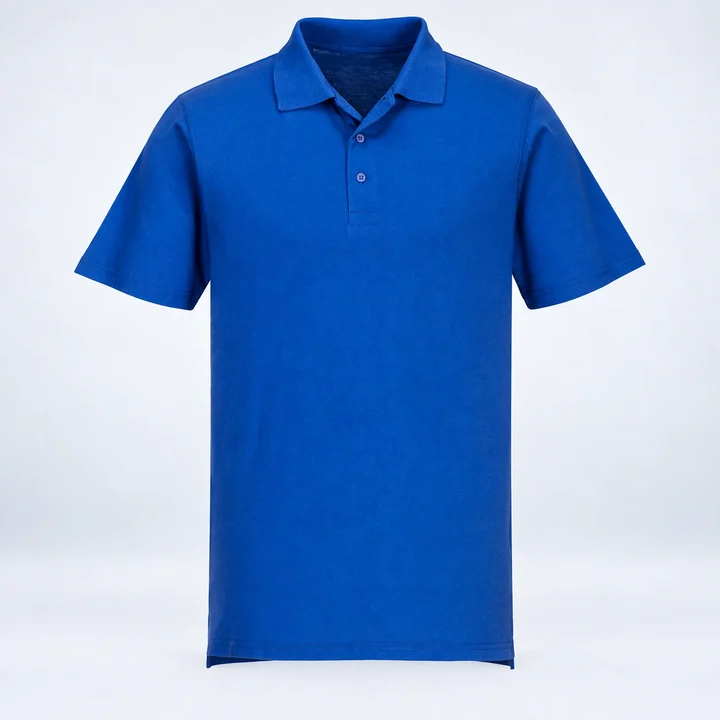
Piqué vs jersey
Most T-shirts are made from jersey, a smooth single knit. Piqué knit has a textured surface instead, which gives a polo more structure and hides minor imperfections better than smooth jersey (White Cotton). It also gives an embroidered chest logo a firm base, which is why our staff polos are piqué. Weight matters for both: our guide to GSM explains how to read the numbers.
Cotton or poly-cotton piqué?
Piqué describes the texture, so the fibre is a separate choice. 100% cotton piqué feels soft and natural; a polyester-cotton blend is the usual choice for uniforms that are washed often, because polyester helps with durability and colour retention. Our guide to polyester vs cotton covers the trade-offs in more detail.
When you compare quotes for staff polos, look at three things: the fibre, the weight in gsm and the collar. A knitted collar and a firm placket are what keep a polo looking like part of a uniform.
Piqué polos from Desa & Co
Our embroidered polo shirts are 65/35 poly-cotton piqué at 200 to 220 g/m², with a knitted collar and a three-button placket; long-sleeve polos use the same piqué at 220 g/m², and for schools and junior clubs we use cotton piqué at 160 to 180 g/m² with flat seams. Logos are embroidered in house. Our minimum is 100 to 150 pieces per product, with sizes and colours mixed within it, production of the minimum quantity takes 2 weeks after sample approval, and we deliver to the United Kingdom, Italy and across Albania. Send us your logo and quantities.
Frequently asked questions
What is piqué fabric?
A fabric with a raised, textured pattern such as a honeycomb or waffle. Woven piqué is used for formal shirt fronts; piqué knit is the fabric of polo shirts.
Is piqué cotton?
Traditionally, yes, but piqué describes the texture, not the fibre. Polo shirts are made in 100% cotton piqué and in cotton-polyester blends.
How do you pronounce piqué?
"Pee-kay". The word comes from the French piquer, to prick or quilt.
What weight is piqué for polo shirts?
Piqué knit is typically about 150 to 240 gsm. Our staff polos are 200 to 220 g/m².
Need clothing made for your team?
Send us the product, the quantity and your logo, and we will reply with a quote and a delivery date.
Request a quoteKeep reading
What Is Sublimation Printing on Clothing?
How dye sublimation works, from transfer paper to heat press, why it needs white or light polyester, its strengths and limits, how it compares with DTF and embroidery, and why football kits are made this way.

Uniform Tax Rebate: Who Can Claim and How
A plain-English summary of the UK uniform tax rebate: who qualifies, what counts as a uniform for HMRC, the flat rate amounts by job, how to claim for the current tax year and the 4 previous ones, and what it means for employers ordering branded uniforms.
How to Wash Work Uniforms and Keep Logos Sharp
How to wash branded polos, T-shirts, hoodies, workwear, hi-vis, scrubs and chef whites so the logo and the colour last: care labels, temperatures, drying, ironing and who washes PPE.